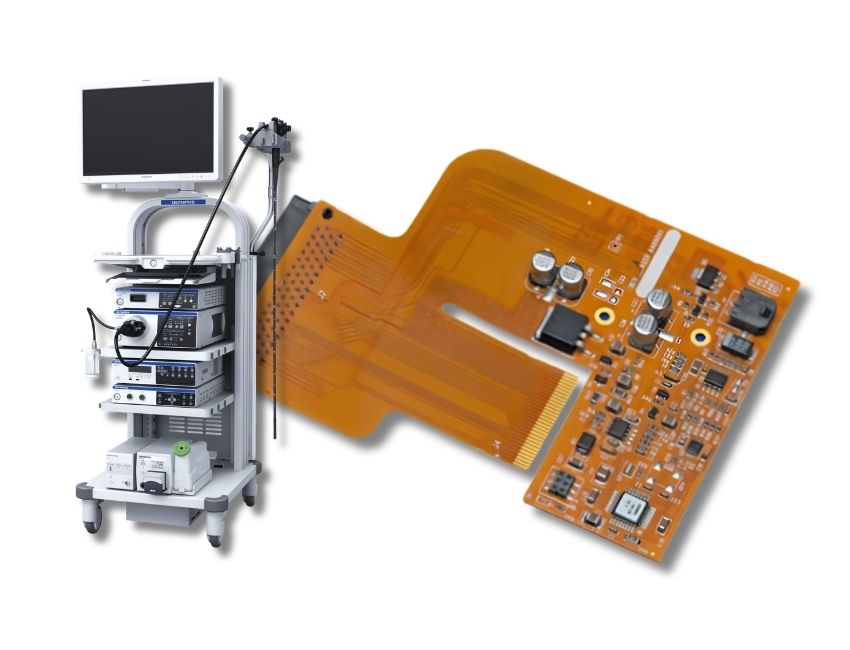
While standard rigid boards are the foundation of traditional electronics, flexible printed circuits (FPCs) are critical for modern medical devices that demand miniaturization, portability, and conformability to the human body. Flex PCB assembly involves mounting components onto a flexible polyimide (PI) substrate, allowing the board to bend, fold, and twist without breaking electrical connections.
For medical engineers, this means the ability to replace bulky wire harnesses with a single, highly reliable circuit that fits inside tight, complex 3D housings. Flex assembly helps maintain flawless electrical and mechanical performance in demanding healthcare applications, including wearable continuous monitors, internal surgical tools, and compact diagnostic equipment.
| Order Quantity | ≥1 PCS (Prototype, Low-Volume, Mass Production) |
| Soldering Technology | High-Precision SMT, Low-Temperature Reflow, Selective Soldering |
| Component Types | Micro-SMD, Fine-Pitch BGAs, Connectors, QFNs, Sensors |
| PCB Technologies | Single-Sided Flex, Double-Sided Flex, Multi-Layer Flex |
| Solder Chemistry | Lead-Free (RoHS), Tin-Lead (for exempt devices), No-Clean |
| Mechanical Reinforcement | Polyimide/FR4 Stiffeners, PSA (Pressure Sensitive Adhesives) |
| Additional Services | Conformal Coating, Encapsulation/Potting, Depaneling |
| Inspection Standards | High-Mag Visual, AOI, 3D X-Ray, FAI |
| Quality Compliance | ISO 13485, ISO 9001:2015, IPC-A-610 Class 3, RoHS |


Polyimide materials naturally shrink and expand during manufacturing and thermal cycling, which can cause severe misalignment during solder paste printing and SMT placement.
Our Solution: We bake out moisture prior to assembly to stabilize the material and utilize precision-machined, dedicated SMT carriers with alignment pins to hold the flex circuit dimensionally rigid throughout the process.

Components placed too close to a flex zone or bend radius will experience severe mechanical stress, causing solder joints to crack and fail during movement.
Our Solution: During our DFM review, we verify component orientation relative to bend axes and apply rigid FR4 or polyimide stiffeners in component-heavy areas to isolate fragile solder joints from mechanical stress.

Flexible substrates transfer and retain heat differently than standard rigid FR4 boards. Standard reflow profiles can warp the polyimide or overheat miniaturized medical sensors.
Our Solution: We develop highly customized, low-stress reflow profiles utilizing advanced thermocouples attached directly to the flex carrier, ensuring optimal solder flow at the lowest possible thermal exposure.

Components located within or too close to bending areas may experience repeated mechanical stress, leading to solder joint cracking and reduced product reliability.
Our Solution: During DFM and DFA review, our engineers evaluate bend zones, define component keep-out areas, and recommend appropriate stiffeners when needed. This helps isolate solder joints from repeated bending stress and improves long-term mechanical reliability.

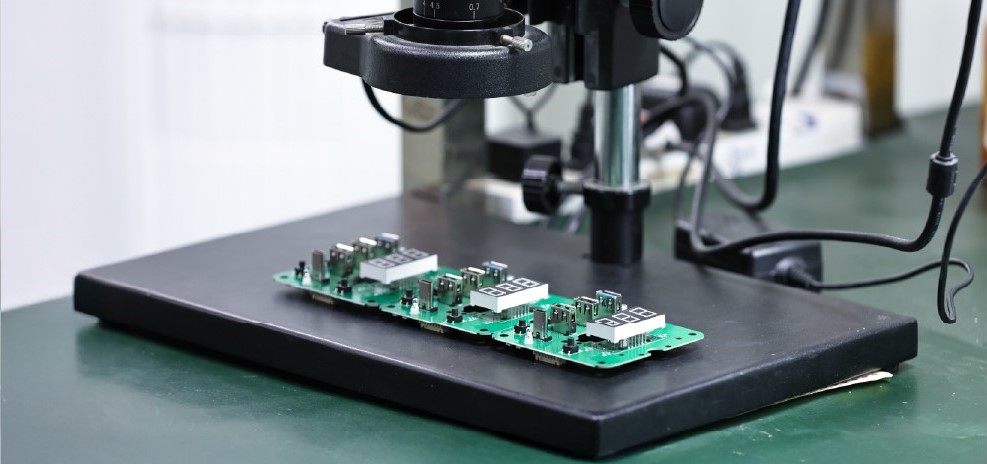
Our IPC-certified inspectors use high-magnification stereomicroscopes to verify solder joint aesthetics on flex boards, checking for proper wetting angles, ideal fillets, and ensuring there are no micro-cracks near stiffener transition zones.
We support Inline AOI systems that are calibrated for polyimide surfaces to verify component placement, polarity, and detect surface defects such as tombstoning and solder bridges. Complementary 3D X-Ray inspection checks hidden solder joints under fine-pitch BGAs, QFNs and leadless components, and monitors void levels for complex medical flex circuits.
We conduct in-circuit testing with custom fixtures engineered to prevent damage to flex coverlays. We also support custom functional testing based on your specified test procedures.
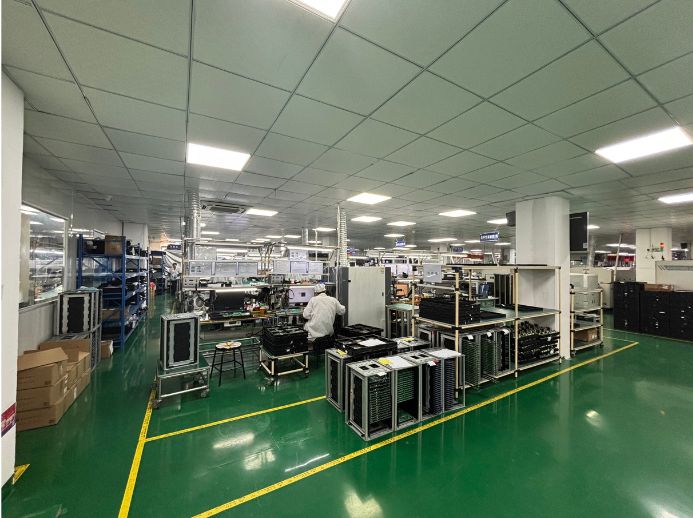
PCBMay combines ISO 13485-certified manufacturing, a comprehensive testing solution to help you build reliable medical flex PCB assemblies. Contact our engineering team today for a fast quotation and DFM review.
Our Medical Flex PCB Assembly FAQ addresses essential questions regarding your manufacturing requirements. We cover our capabilities for flexible and rigid-flex medical electronics, micro-component mounting, biocompatible material selection, rigorous quality inspection protocols, and our capacity to scale from rapid prototypes to high-volume production batches. For every flexible circuit project, we guarantee precision-focused, medical-grade assembly standards.
Yes. Rigid-flex PCBs combine the stability of rigid boards with the versatility of flexible layers. We are fully equipped to assemble rigid-flex medical boards, placing heavy connectors on the rigid sections and delicate sensors on the flex sections in a single, continuous process.
We utilize custom-machined SMT carriers, tensioning pallets, high-temp masking tape, or vacuum-plate routing systems. These fixtures temporarily act as a rigid backing, ensuring the flex material remains perfectly flat during paste printing, pick-and-place, and reflow.
Absolutely. We routinely assemble highly miniaturized surface mount components necessary for medical devices. Our advanced pick-and-place robotics and specialized vision systems handle micro-components with exceptional precision on flexible substrates.
We use closed-loop aqueous cleaning systems with medical-grade saponifiers. Because polyimide can trap moisture, we utilize controlled drying processes and perform strict Resistivity of Solvent Extract (ROSE) testing to guarantee ionic residues meet medical safety thresholds.
We apply FR4, polyimide, or stainless steel stiffeners using thermal-set or pressure-sensitive adhesives (PSA) to reinforce component areas. We then separate the flex circuits using precision hard-tool punching or laser routing to prevent mechanical stress on the edges.
Yes. Polyimide has high thermal resistance, but medical components often do not. We utilize custom-profiled convection reflow ovens and, when necessary, low-temperature solder pastes to protect sensitive medical sensors and plastic connectors from thermal degradation.
Yes, our facility features dedicated lead-free (RoHS compliant) assembly lines to prevent cross-contamination, which is standard for modern wearable and portable medical devices.
Our Manufacturing Execution System (MES) tracks every panel through the facility. Operators scan materials and link every SMT reel and inspection result to the specific PCB serial number, ensuring complete batch traceability for ISO 13485 compliance.
Yes. We apply medical-grade conformal coatings and potting compounds to protect flex joints from bodily fluids, moisture, and chemical sterilization, carefully masking the flexible zones so the board retains its required bendability.
Yes, we specialize in the low-volume, high-mix production required for clinical trials and specialized medical prototyping. Our agile changeover protocols allow us to efficiently produce complex medical flex assemblies without demanding massive minimum order quantities.
English
French
German
Japanese
Korean