
Electronic Components in Medical Devices: Types, Selection & Standards
-

-
August 22, 2026


Medical device performance depends entirely on the electronic components inside them. This guide maps the component families and standards that keep healthcare electronic components compliant and reliable.

Medical electronics must meet a higher standard than consumer electronics. A failed component can delay treatment or endanger a patient. Medical-grade electronic components must withstand sterilization, EMI, and years of continuous service. Precision medical electronics demand full traceability.
Every medical board mixes five core families: sensing, processing, power, isolation, and connectivity. Each performs a distinct function in the signal chain.
Sensors and AFEs convert physiology into clean digital data. Medical device sensors and MEMS sensors in healthcare measure pressure, motion, flow, and temperature. The analog front ends in the medical stage filter and amplify those signals before sampling.
These processors perform the core computation in every medical device. Microcontrollers for medical devices run closed-loop control. DSPs execute the signal processing behind ultrasound equipment components and ECG analysis. FPGAs handle parallel workloads in imaging and surgical robotics electronics.
Medical power management ICs keep every rail stable under abnormal conditions. They deliver clean voltage to sensitive analog stages and protect the battery. Portable designs need ultra-low power medical components to extend runtime.
Isolation protects the patient, not just the board. Medical isolation components separate mains power from any electrode touching skin. Isolation parts enforce the creepage rules behind IEC 60601-1 compliant components. ESD diodes and TVS arrays guard every exposed connector.
Modern care depends on data movement. RF components in medical devices and the telemetry components medical devices require carry vitals to central stations. Medical device connectors must survive thousands of mating cycles and repeated sterilization.
Different device classes demand different component profiles. A bedside monitor does not need what a pacemaker does.
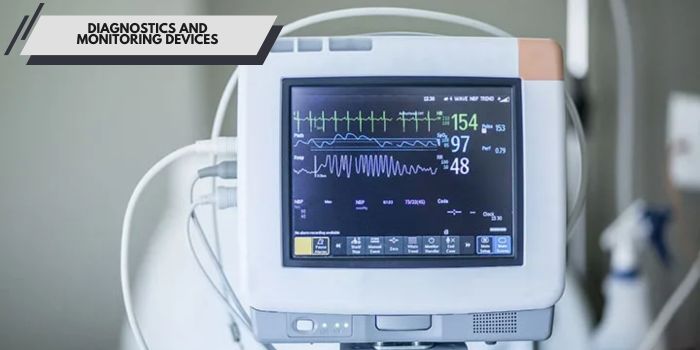
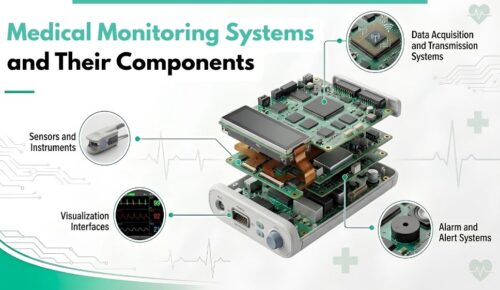
Patient monitoring components are central to diagnosis. Blood glucose meter components use enzymatic strips and precision AFEs to return readings patients act on. Ultrasound equipment components demand wideband transmitters and dense beamformer arrays.
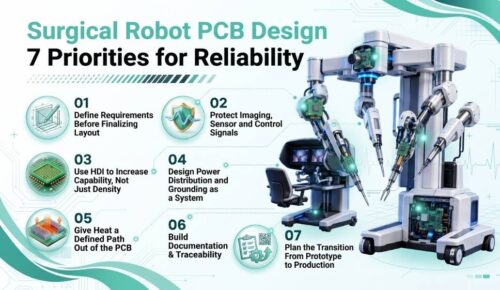
Therapy devices act on the body. Ventilator electronic parts must regulate flow and pressure with fail-safe firmware. Defibrillator electronics discharge joules through carefully rated capacitors and high-voltage switches. Surgical robotics electronics combine servo drives, torque sensors, and safety-rated MCUs.

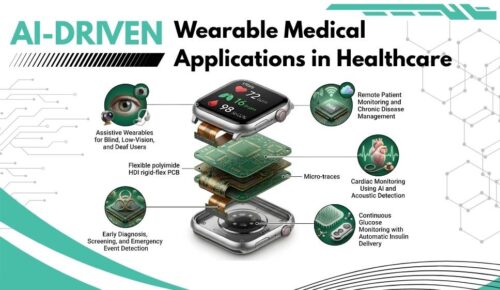
Wearable medical electronics components deliver clinical accuracy in small, battery-powered packages. Continuous glucose monitoring electronics run for days on microamp budgets. These designs favor MEMS sensors, low-power MCUs, and compact BLE radios.
Hospital equipment runs continuously in electrically noisy wards. Infusion pumps, beds, and nurse call systems mix motors, pumps, and RF links in one enclosure. Hospitals retain these devices for a decade, so favor long-lived parts.

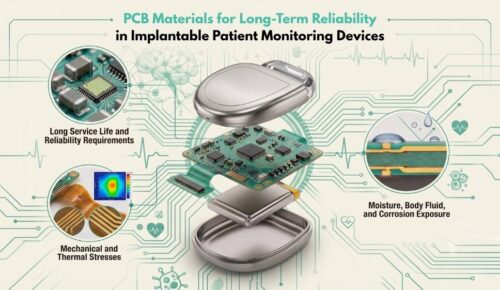
Implantable medical device components operate under the harshest constraints. Pacemaker electronic components must run for years on a tiny battery inside the body. Biocompatible electronic components and hermetic packaging prevent tissue reaction and fluid ingress. MRI-safe designs need non-magnetic capacitors that medical engineers screen carefully.
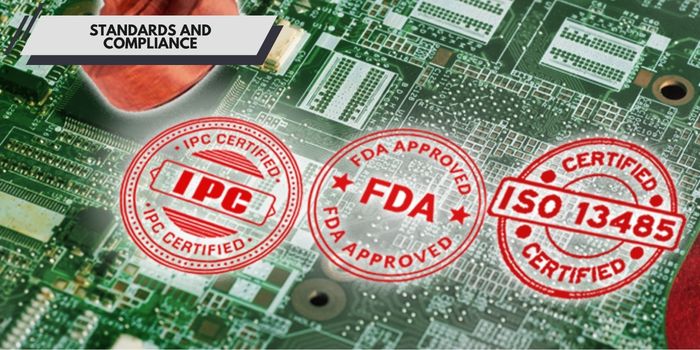
Standards exist because patients cannot tolerate failures. They define safety, quality, and environmental rules your components must satisfy.
IEC 60601-1 defines electrical safety and EMC for medical electrical equipment. IEC 60601-1 compliant components help you meet insulation, creepage, and leakage current limits without last-minute redesigns. The standard also sets immunity and emissions levels your board must pass.
ISO 13485 governs the quality system around your device and its parts. ISO 13485 electronic components demand supplier control, incoming inspection, and documented change management. The standard pushes you to trace every lot from fab to final assembly.
ISO 14971 structures how you assess and reduce device risk. You analyze each component for failure modes and patient impact. Mitigations flow into your part selection and test plan. The risk file drives design changes and post-market controls.
RoHS limits hazardous substances in your finished board. REACH tracks chemicals of concern across your supply chain. Both rules shape the plating, solders, and materials you can buy. Noncompliance blocks EU market access.
Component selection drives performance, cost, and certification risk. Seven factors matter most when you select parts for medical boards.
Start with the measurement or drive specification. Define accuracy, bandwidth, noise floor, and tolerance ranges before you select parts. Medical-grade resistors and precision references anchor those specifications. Derate components so they stay inside limits over life.
Power and heat determine battery life and reliability. Ultra-low power medical components extend runtime in wearables and implants. Map your thermal budget so no junction exceeds its rated temperature. Excess heat ages components and shortens field life.
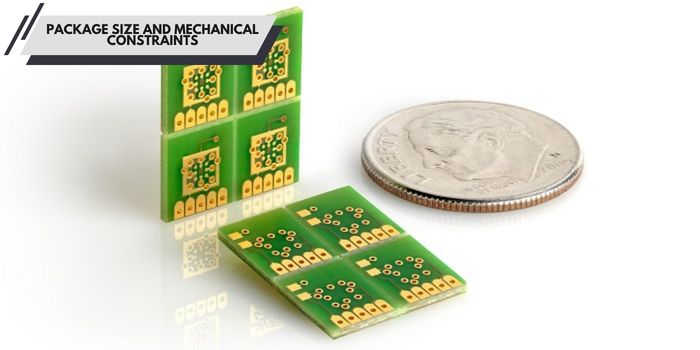
Size shapes what you can build. Handheld and implantable designs push you toward chip-scale and thin packages. Verify pad layout and assembly compatibility before you commit. Package choice also affects thermal path and solder joint stress.
Select the temperature grade your environment demands. Commercial-grade components are not designed for autoclave sterilization or long-term clinical environments. Industrial-grade parts provide sufficient temperature and humidity margin for enclosed medical equipment. Consider humidity, vibration, and chemical exposure.
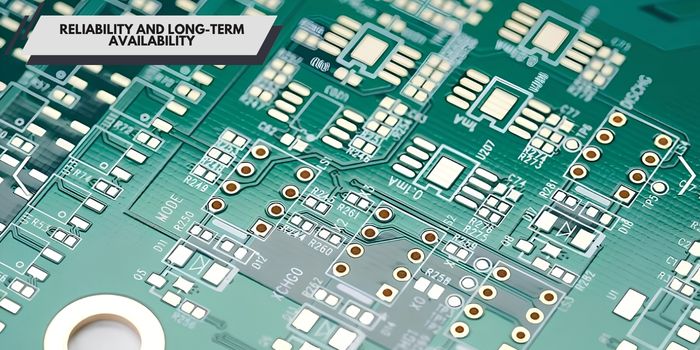
Medical products often serve for a decade or more. High-reliability medical PCBA components keep field returns low. Check supplier lifecycle status and product change notices before design-in.
Map every patient-touch path early. Apply medical isolation components wherever mains or high energy can reach skin. Add ESD and overvoltage protection on every external connector. Creepage and clearance rules drive package choices.
The assembly must survive its environment as much as the components. Conformal coating and potting shield boards from fluids and condensation. Sealed connectors and rugged housings protect against drops and spills.
Sourcing medical parts brings unique obstacles. Long lifecycles, counterfeit risk, and strict documentation separate it from consumer buying.

Components outlast most design cycles. Manufacturers discontinue parts long before your device reaches end of life. That mismatch most affects Class II medical device components with decade-long service lives. Track lifecycle data and plan alternates early.
Counterfeit components pose the biggest hidden risk in medical supply chains. Grey-market parts may fail silently or carry wrong specifications. Counterfeit component prevention medical programs combine authorized channels, visual inspection, and electrical screening. Trace every lot to its origin.
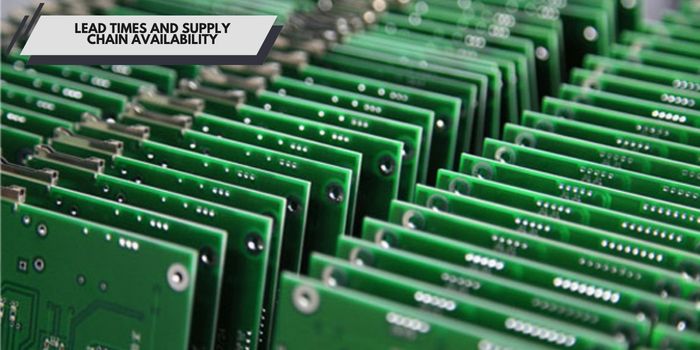
Allocation and long lead times stall production lines. Semiconductor lead times can reach 20 weeks during shortages. Buffer critical parts and keep safety stock where regulation allows. Supply continuity planning belongs inside your risk file.
Regulators require documentation as much as performance. FDA-compliant device components come with certificates of conformance, lot trace data, and change notifications. Your suppliers must provide the documentation your quality system needs. Gaps delay audits and submissions.
Never anchor a medical product to one supplier. Qualify a second source for every critical part before launch. Second sources cost engineering time but protect revenue and patient care. Document equivalency so you can switch without a full re-submission.

Medical electronics cost more than consumer boards for specific reasons. Qualification, documentation, and low volumes all increase total cost.
Your medical device BOM drives most of the unit cost. Specialty parts add price through low volumes and custom handling. Simplify where safety allows, but never trade compliance for savings. Count total landed cost, not just unit price.
Prototype pricing distorts budgets. Low-volume runs pay premium prices for components and tooling. Production quantities unlock discounts, but minimum order quantities force inventory decisions. Manage this transition with forecasting and negotiation.
Compliance testing is a major hidden budget line. EMC chambers, safety labs, and biocompatibility studies accumulate quickly. Every component change can trigger re-qualification, so lock the BOM before you test. Build test margins into the schedule.
Cost reduction requires discipline, not shortcuts. Negotiate with authorized distributors on consolidated volumes. Standardize passives and connectors across product lines. Pin-compatible alternatives cut price only after full qualification.
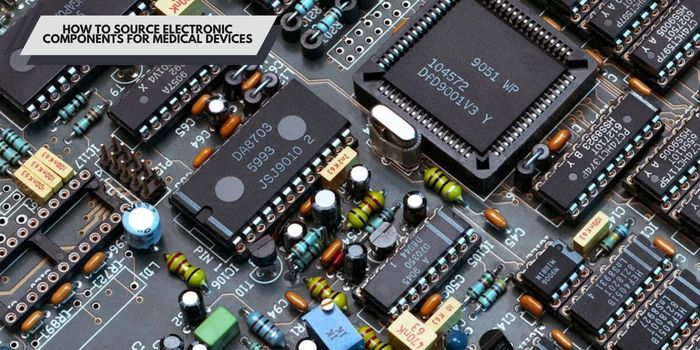
Sourcing medical parts depends on a consistent process. Five practices separate reliable supply chains from risky ones.
Demand provenance for every part you buy. Authorized distributors and direct manufacturers provide lot codes and a full chain of custody. Component traceability in medical PCBA programs ties each reel to your assembly records. Reject any offer that cannot document origin.
Collect the documentation before you order the parts. Datasheets reveal operating limits, while certificates of conformance and RoHS declarations prove compliance. Ask for change notifications and reliability reports too. File everything against the BOM line item.
Source only through channels your quality system approves. Authorized distribution gives you factory-backed parts and warranty protection. Brokers may fill gaps but demand deeper screening. Rate suppliers on delivery, documentation, and recall response.
Assume every part reaches end of life eventually. Monitor lifecycles and register for product change notifications. Qualify alternates before shortages constrain supply. Early planning turns an EOL notice into a purchase order instead of a crisis.
Lead time data shapes your entire production plan. Confirm current schedules with distributors, not published sheets. Buffer long-lead parts and review allocation monthly. Dual-sourcing spreads risk across factories.
MedPCB is an ISO 13485-certified one-stop medical PCB and PCBA manufacturer. We deliver full-turnkey medical manufacturing solutions, including PCB fabrication, professional component sourcing, and complete assembly services.
We source medical components exclusively from authorized distributors such as Mouser and Digi-Key to ensure part authenticity and full lot-level traceability. Our engineers perform thorough BOM reviews and offer alternative part suggestions for out-of-stock or EOL components, helping you maintain smooth medical project progress. Just send us your BOM list today to get your solution.
Technically yes, but rarely advisable. Consumer parts lack the documentation and screening regulators expect. You carry the qualification burden yourself.
No, but any applied part touching a patient usually does. Isolation creates a barrier against mains leakage and fault currents. Battery-only devices without external connections may avoid it.
FPGAs handle parallel, high-speed signal processing like beamforming and vision. MCUs manage control loops and state machines cost-effectively. Many surgical robotics electronics use both.
Poor grounding, long cable paths, and unfiltered power rails are the leading causes. Switching converters radiate if routed poorly. Correcting these issues after layout adds weeks.
It depends on the environment, not the patient. Bedside equipment can use commercial parts. Sterilizable, outdoor, or enclosed devices need industrial grades. Implants demand the tightest characterization.
Buy through authorized channels and keep records. Verify date codes and lot markings against manufacturer data. Screen suspicious lots electrically and visually.
Plan for certificates of conformance, datasheets, RoHS and REACH declarations, and lot traceability. Your quality system must record supplier approvals and change notices.
Strict component selection, standardized sourcing, and full-process traceability are core to medical device safety and regulatory compliance. Partnering with a reliable one-stop PCBA supplier effectively reduces certification risks, supply chain uncertainty, and product failure rates for medical electronic projects.


Hello, I am Sony He, with extensive practical experience in medical PCB and PCBA manufacturing. Over the years, I have focused on medical circuit board manufacturing, rigid-flex PCB, SMT assembly, quality inspection and reliability compliance. I enjoy sharing hands-on expertise in medical PCB manufacturing and assembly through technical articles.



English

French

German

Japanese

Korean