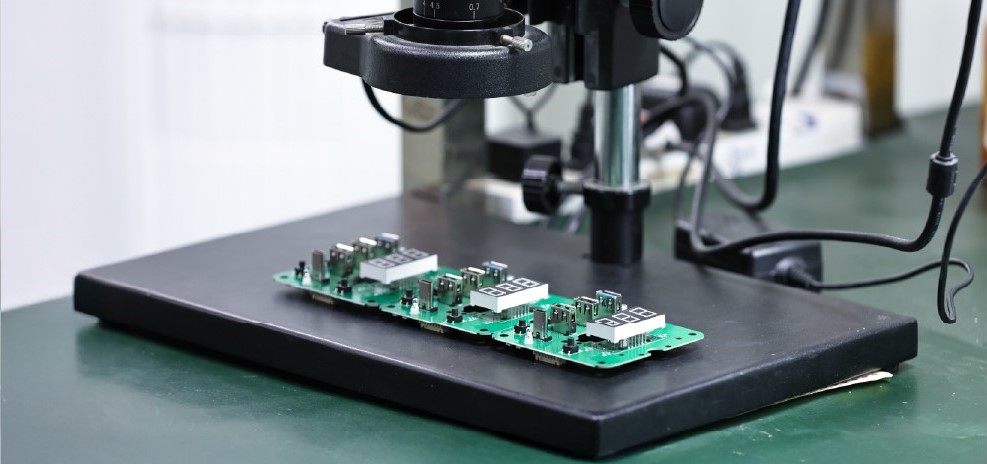

Electronics Applications in Medical Field: 10 Uses in Healthcare
-

-
September 30, 2026


Medical electronics enable precise diagnosis, continuous monitoring, and effective treatment in modern healthcare. Clinicians rely on electronic assemblies to capture accurate patient data and deliver safe therapies. This guide details 10 proven applications of printed circuit boards (PCBs) in medical devices and outlines the engineering requirements for their manufacturing.
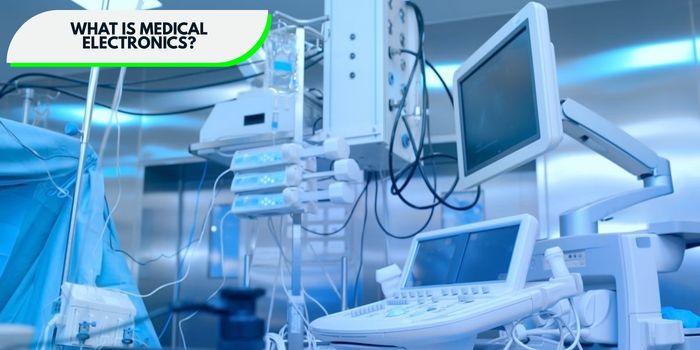
Medical electronics comprise the circuitry and electronic assemblies inside diagnostic, monitoring, and therapeutic devices. Biometric sensors capture vital signals, while microprocessors convert these signals into actionable clinical data. Power management systems sustain portable and implantable devices. PCB assemblies connect sensing, processing, power management, and communication circuits within medical devices.
Engineers select specific components to meet strict accuracy and safety standards. PCB assemblies integrate these components into compact electronic systems. Medical OEMs specify the appropriate PCB and assembly acceptance criteria for each product. The following table maps core electronic functions to typical components and medical applications.
| Electronic Function | Typical Components | Medical Applications |
| Sensing | Pressure, temperature, optical, flow, electrochemical sensors | Monitoring, diagnostics, respiratory |
| Signal Acquisition | AFE, op-amp, ADC, filters | ECG, SpO₂, glucose, imaging |
| Processing | MCU, DSP, FPGA, SoC | Monitoring, imaging, robotics |
| Power | PMIC, DC-DC, battery management | Portable and implantable devices |
| Isolation & Protection | Isolators, TVS, ESD protection | Patient-connected equipment |
| Connectivity | BLE, Wi-Fi, Ethernet, CAN | Wearables, monitors, telemedicine |
| Motion & Control | Motor drivers, encoders, valves, pumps | Infusion, robotics, IVD |
The following 10 applications demonstrate where electronic circuits deliver direct clinical value.

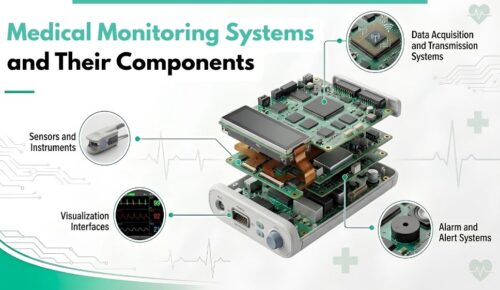
Patient monitoring systems track vital signs such as ECG, blood oxygen saturation (SpO₂), blood pressure, and temperature. Some parameters are measured continuously, while others are recorded at scheduled intervals. Medical PCB assemblies integrate sensor interfaces, analog front ends, data converters, and processing circuits for reliable signal acquisition. Networked patient monitors can transmit clinical data to central monitoring systems.
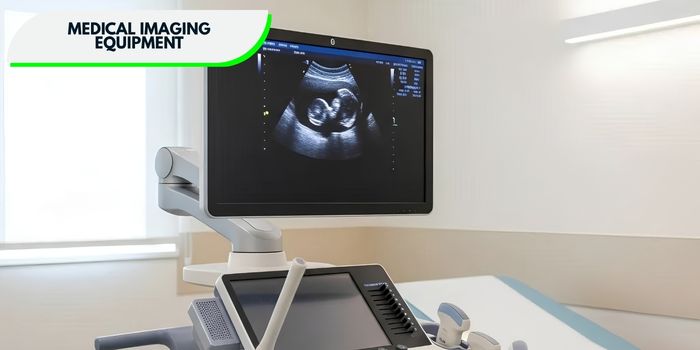
Medical imaging devices, such as ultrasound, X-ray, computed tomography (CT), magnetic resonance imaging (MRI), and endoscopy units, require high-speed data processing. Imaging PCB assemblies handle rapid data streams from detectors and transducers. Imaging electronics process detector or transducer signals and transfer data to image-processing systems. MRI equipment also requires careful RF and electromagnetic design to protect image quality.

In-vitro diagnostic (IVD) devices include blood analyzers, point-of-care testing (POCT) units, and molecular diagnostics. Diagnostic PCB assemblies process optical and electrochemical signals to measure biomarkers. Precision analog circuits, stable power supplies, and accurate sensor interfaces support repeatable measurements in laboratory and point-of-care instruments.
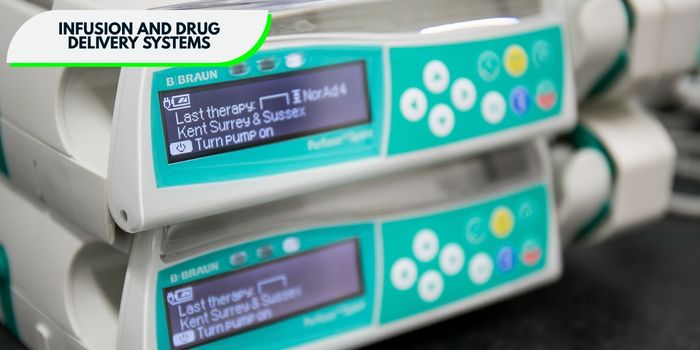
Infusion pumps, insulin pumps, and automated drug dispensers deliver precise medication doses over extended periods. Infusion pump electronics drive motors, valves, and flow sensors. Infusion pump electronics can monitor flow conditions, detect occlusions, and support air-in-line detection through dedicated sensing circuits.
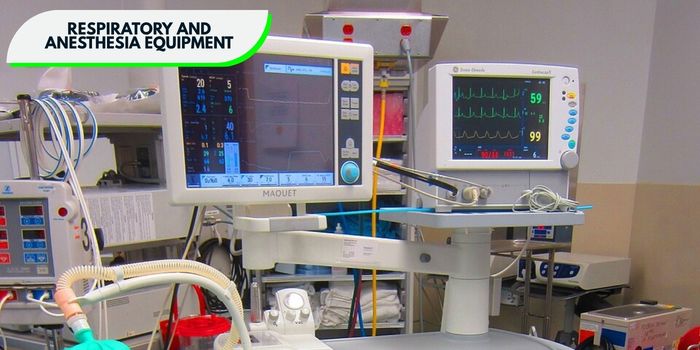
Ventilators, continuous positive airway pressure (CPAP) machines, and anesthesia workstations control airflow and oxygen concentration. Ventilator circuit boards manage pressure sensors and mixing valves in real time. Reliable power supplies, sensor interfaces, and motor-control circuits support respiratory equipment during extended operation.
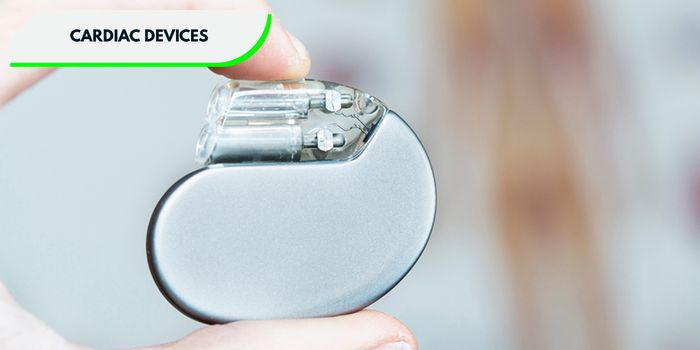
Cardiac electronics include pacemakers, implantable cardioverter-defibrillators (ICDs), and external defibrillators. Pacemaker circuit boards generate timed low-energy pulses to regulate heart rhythms. Defibrillator assemblies store and discharge high-energy shocks on demand. Component traceability, process control, and verification testing are important throughout the manufacturing of cardiac electronics.
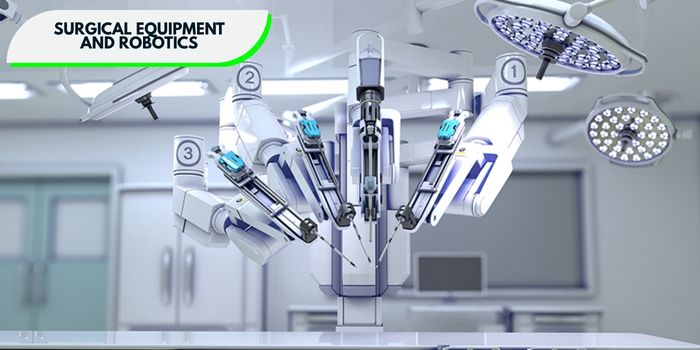
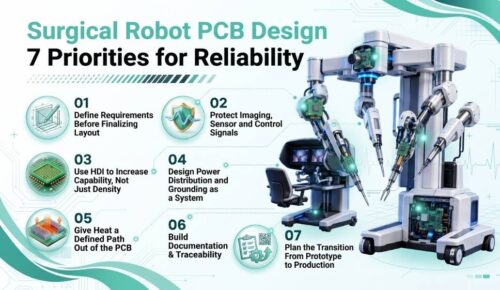
Electrosurgical systems and surgical robots provide precise cutting, vision, and motion control in the operating room. Surgical robot PCBs coordinate motors, encoders, and vision feedback systems with minimal latency. High-power surgical lighting uses aluminum PCBs to dissipate heat away from the surgical field.

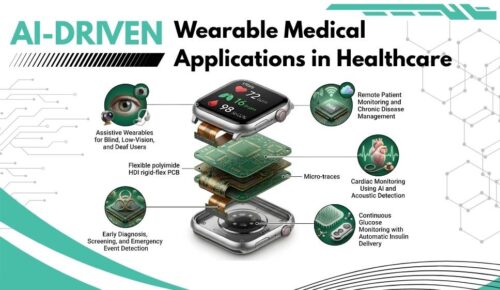
Wearable ECG monitors, patch sensors, and continuous glucose monitors gather data without restricting patient movement. Wearable technology utilizes high-density interconnect (HDI) PCBs and flexible substrates to conform to the human body. Low-power wireless modules stream real-time health metrics to mobile applications.
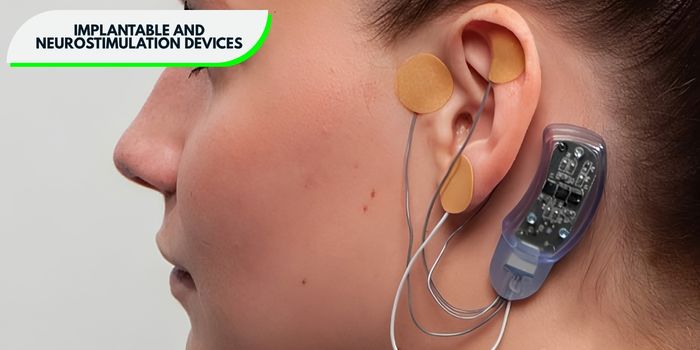
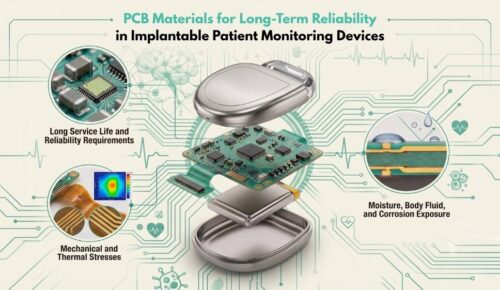
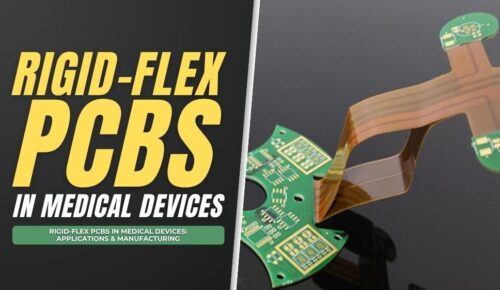
Implantables like neurostimulators deliver localized therapy inside the body. Rigid-flex medical PCBs bend to fit compact, fully sealed implant housings. Micro-surface mount technology (SMT) enables deep brain stimulation and spinal cord stimulation hardware to operate within very tight spatial constraints.

Point-of-care and home medical devices bring testing and monitoring closer to patients. Portable glucose meters, rapid diagnostic readers, and home monitoring devices combine compact sensor interfaces, low-power processing, and user-friendly displays. Their PCB assemblies must support reliable measurements, battery operation, and repeatable manufacturing.
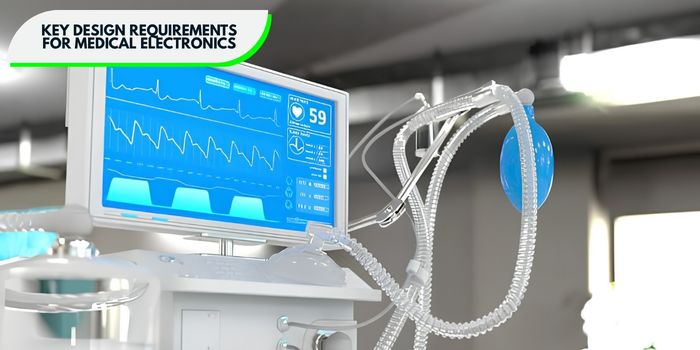
Successful medical PCB design, materials, and applications require strict adherence to safety, accuracy, signal integrity, and long-term durability standards.
Accurate measurements drive correct clinical decisions. Engineers preserve signal integrity by designing short analog paths and solid ground planes. Keeping biometric sensor inputs physically separated from noisy power supplies ensures clean data capture.
Electrical safety prevents patient shock and device faults. Patient-connected medical equipment requires carefully designed electrical isolation and leakage-current protection. PCB layouts must maintain the required creepage and clearance distances across isolation barriers. Transient voltage suppression (TVS) and electrostatic discharge (ESD) protection safeguard external connectors.
Medical devices must operate reliably in crowded hospital environments without causing or suffering from interference. EMI suppression relies on multi-layer ground planes and filtered input/output lines. Proper shielding contains internal electrical noise.
Medical devices demand long life cycles. IPC Class 2 or Class 3 acceptance criteria can be specified based on the medical product’s reliability and performance requirements. Complete component traceability prevents counterfeit parts from entering the supply chain and provides data for regulatory audits.
Efficient power management integrated circuits (PMICs) extend the battery life of portable medical tools. Efficient power conversion reduces energy consumption and heat generation. Copper planes and thermal vias help manage localized heating in compact medical assemblies.
Miniaturization allows complex functions to fit into portable and implantable formats. HDI microvias route signals through densely packed ball grid arrays (BGAs). Flexible circuits remove the need for large connectors inside small device cases.
Medical-grade manufacturing requires specific materials, assembly techniques, and inspection protocols.
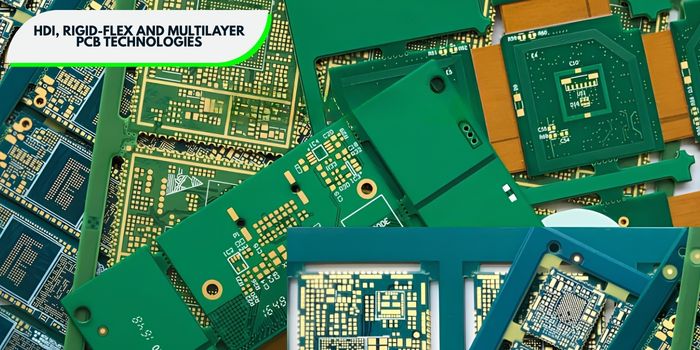
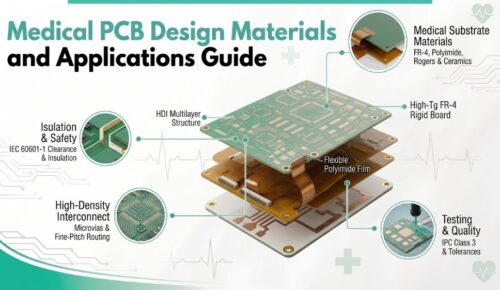
Advanced fabrication techniques increase circuit density. HDI and sequential lamination pack more components into smaller areas. Rigid-flex PCBs combine rigid component-mounting areas with flexible interconnections. Ceramic substrates serve specialized medical electronics that require particular thermal, electrical, or packaging properties.
Compact medical assemblies may combine miniature passive components, QFN packages, and fine-pitch BGAs. Precision SMT equipment supports accurate placement, while solder paste inspection helps control printing quality before reflow.
Medical manufacturing requires a strict approved vendor list (AVL). Purchasing from franchised distributors lowers counterfeit risks. Electronic manufacturing service (EMS) providers log date codes and lot numbers for every component.
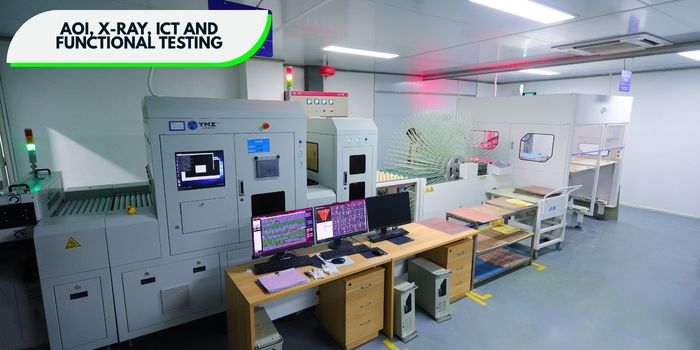
Automated optical inspection (AOI) verifies every visible solder joint across the board. 3D X-ray systems inspect hidden connections beneath BGA components. In-circuit testing (ICT) checks individual component values and detects short circuits. Functional test fixtures run real operating scenarios to confirm overall electrical performance.
Board cleanliness prevents leakage currents in sensitive analog circuits. Manufacturing facilities wash boards to remove flux residues. Conformal coating protects exposed components from moisture, dust, and bodily fluids in devices like ventilators and wearables.
Medical hardware production requires strict quality management systems. Factories must operate under ISO 13485 standards. Compliance with Food and Drug Administration (FDA) requirements and IPC Class 3 criteria ensures devices meet global regulatory expectations. Comprehensive device history records accompany every production run.
MedPCB is a fully certified, one-stop medical PCB and PCBA manufacturer. We specialize in high-density HDI circuits, high-speed and high-frequency medical boards, and ultra-fine pitch precision SMT assembly. All our medical production strictly complies with ISO 13485 medical quality systems and meets IPC Class 2 / Class 3 reliability standards for diagnostic, wearable, implantable, and life-support medical devices.
If you are looking for a reliable, high-grade medical electronics manufacturing partner, submit your Gerber files and BOM today to get a professional DFM review and accurate project quote.
Biometric sensors convert physical inputs like pressure, temperature, light, or chemical changes into electrical signals. Analog front ends amplify these raw signals and send them to microprocessors for digital conversion and display.
Accurate measurements guide therapy and diagnostic decisions. Small sensor errors lead to incorrect treatments. Stable reference voltages and low-noise circuit assembly ensure the device output matches the actual patient condition.
Signal integrity protects microvolt-level biological signals from external interference. Electrical noise distorts ECG and EEG waveforms. Proper grounding, shielding, and controlled impedance routing maintain signal clarity from the sensor to the processor.
Medical electronics utilize HDI boards for compact monitors, rigid-flex circuits for surgical probes, and flexible PCBs for wearable patches. High-power applications use aluminum or ceramic substrates for thermal management.
ISO 13485 defines the quality management system for medical device production. The standard requires documented procedures, risk management, and full lot traceability to ensure consistent manufacturing quality and support regulatory submissions.
Inspectors use AOI for visible defects and X-ray imaging for hidden BGA solder joints. Technicians execute ICT and functional tests to verify the board operates according to the original electrical specifications.
Early collaboration with a certified medical electronics manufacturer mitigates compliance risks and accelerates market entry. Securing a reliable supply chain for HDI, rigid-flex, and standard PCB assemblies ensures medical devices maintain long-term clinical performance and patient safety.


Hello, I am Sony He, with extensive practical experience in medical PCB and PCBA manufacturing. Over the years, I have focused on medical circuit board manufacturing, rigid-flex PCB, SMT assembly, quality inspection and reliability compliance. I enjoy sharing hands-on expertise in medical PCB manufacturing and assembly through technical articles.




English

French

German

Japanese

Korean