1. Can MedPCB Provide Flexible PCB Fabrication and Assembly?
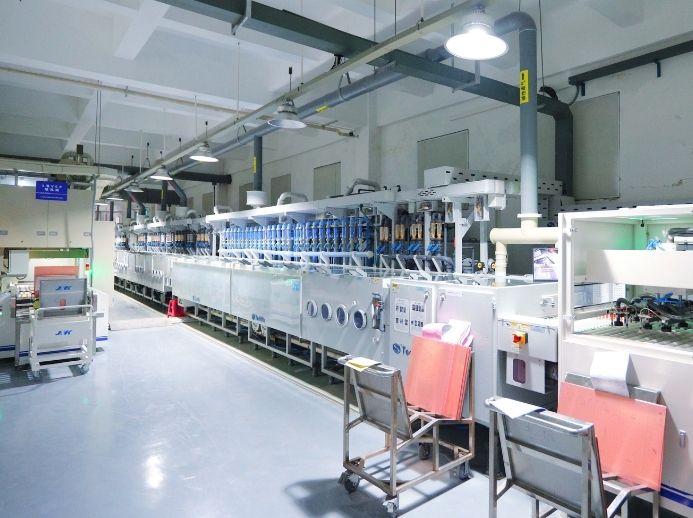
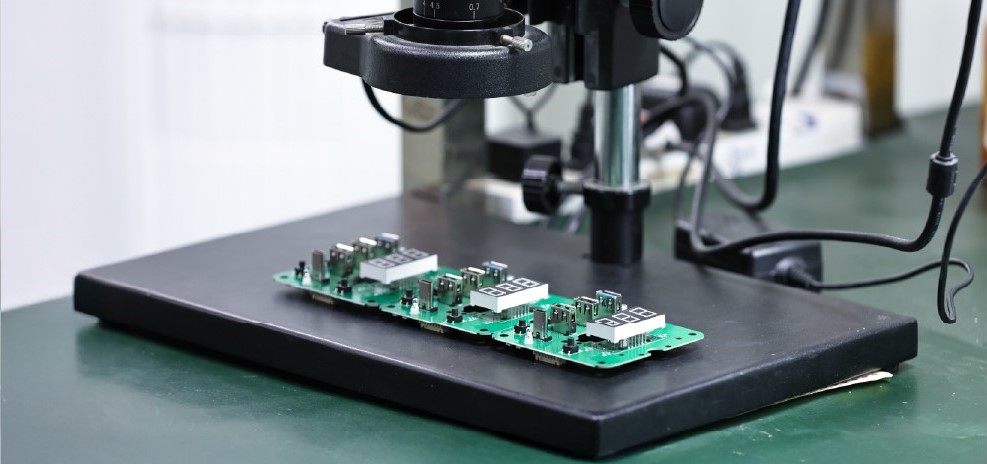
Yes. While our primary focus is expert bare-board fabrication, we offer full turnkey manufacturing, seamlessly transitioning your medical flex boards from fabrication to high-precision SMT assembly under one roof to simplify your supply chain.
2. What Is the Difference Between Rigid PCB and Flexible PCB for Medical Devices?
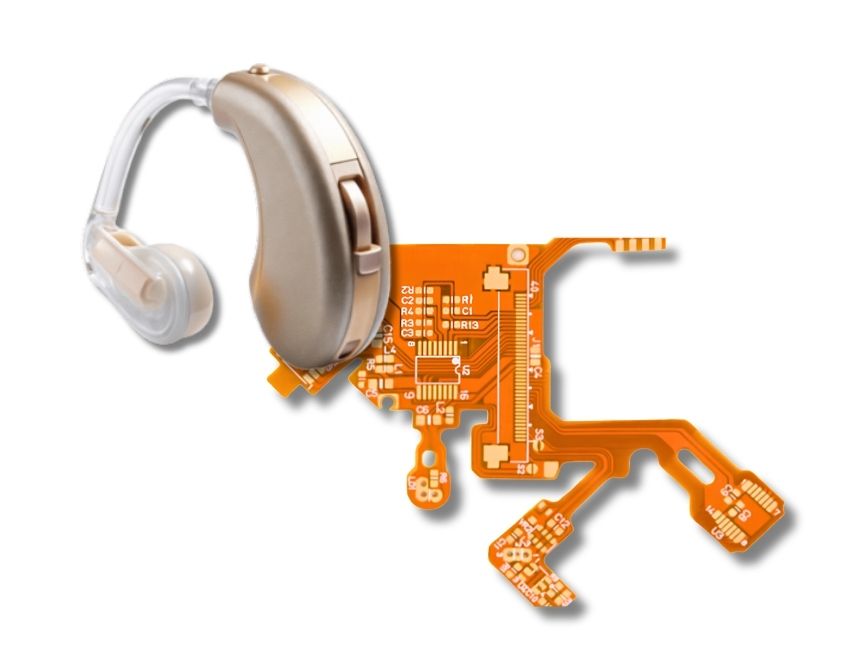
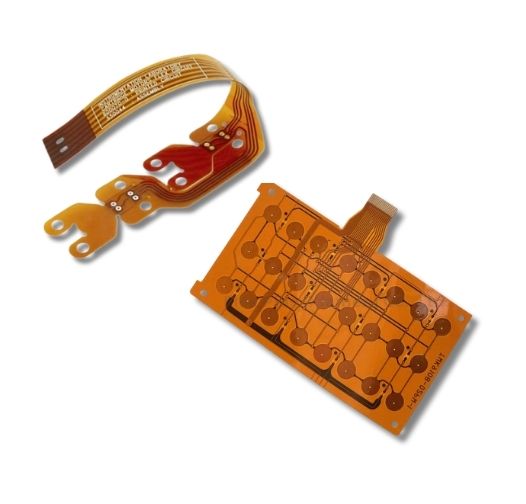
Rigid PCBs use inflexible substrates (like FR4) which provide strong structural support but dictate the device's physical shape. Flexible PCBs use thin polyimide, allowing the circuitry to fold, twist, and conform to tight spaces or human contours, drastically reducing weight and eliminating bulky mechanical connectors.
3. Are Flexible PCBs More Expensive Than Rigid PCBs?
Generally, the initial fabrication cost of a flex PCB is higher due to specialized polyimide materials and complex manufacturing processes. However, they often lower the total system cost by eliminating the need for wire harnesses, connectors, and manual assembly labor, while greatly improving overall device reliability.
4. Can You Manufacture Rigid-Flex PCBs for Complex Medical Equipment?
Absolutely. We specialize in rigid-flex fabrication, merging FR4 rigid sections with polyimide flex layers into a single, cohesive board. This is highly recommended for complex devices where you need rigid zones for dense component placement and flexible zones for robust, connector-free interconnection.
5. What Materials Are Best for Medical Flexible PCBs?
For medical devices, we highly recommend adhesiveless polyimide (such as Dupont Pyralux or Shengyi SF305) paired with rolled annealed (RA) copper. This combination offers the highest dynamic bending lifespan, excellent thermal stability, and exceptional long-term reliability.
6. How Do You Ensure Circuit Reliability in Dynamic Flexing Applications?
We ensure dynamic reliability through meticulous DFM review. We optimize trace routing to run perpendicular to the bend axis, stagger traces on double-sided boards to prevent localized stress (the "I-beam effect"), and specify the correct polyimide coverlay to maximize the board's flex cycles.
7. What Surface Finishes Are Recommended for Medical Flex Boards?
Electroless Nickel Immersion Gold (ENIG) and Electroless Nickel Electroless Palladium Immersion Gold (ENEPIG) are the gold standards for medical flex. They provide incredibly flat surfaces for fine-pitch medical components, excellent shelf life, and highly robust wire-bonding capabilities.
8. Can MedPCB Fabricate High-Density Interconnect (HDI) Flex Boards?
Yes. We regularly fabricate HDI flex boards featuring ultra-fine lines (down to 2 mil), stacked microvias, and incredibly thin layer stackups, capabilities essential for next-generation wearables and implantable healthcare devices.
9. How Do You Manage Stiffener Application and Laser Routing?
We use precision tooling and thermal bonding to apply FR4, polyimide, or stainless steel stiffeners exactly where rigid support is needed (such as beneath ZIF connectors). After lamination, we utilize advanced laser routing to cut the complex outlines of the flex board without inducing any mechanical stress to the delicate edges.
10. Are Your Flex PCBs Compliant with Medical RoHS and REACH Standards?
Yes. We offer fully RoHS and REACH-compliant material sets and lead-free surface finishes, ensuring your medical devices easily meet strict global environmental and biocompatibility regulations.
11. How Is Traceability Maintained During Flex PCB Manufacturing?
Under our ISO 13485 system, every manufacturing lot is strictly controlled. We maintain detailed digital records of material lot numbers, process parameters, and inspection results, ensuring full forward and backward traceability for your medical product.
12. Can You Support Low-Volume, High-Mix Prototyping for Medical Devices?
Yes, absolutely. We understand that bringing a groundbreaking medical device to market requires multiple design iterations, rigorous physical testing, and specialized short runs for clinical trials. That’s why our manufacturing lines are intentionally built to be agile.
13. Can Flexible PCBs Be Sterilized?
Yes, depending on the sterilization method and the specific materials chosen. Polyimide is inherently robust and can withstand high temperatures and harsh chemicals, making it suitable for autoclaving, EtO (Ethylene Oxide), or gamma radiation sterilization, provided the overall assembly and components are also compatible.