Medical PCB Fabrication Service Provider

MedPCB provides medical PCB fabrication from prototypes to volume production for medical device manufacturers and healthcare electronics developers. We manufacture rigid, flex, rigid-flex, HDI, and multilayer PCBs under ISO 13485-controlled processes.

·  ISO 13485 & IPC Class 2/3 Manufacturing
·  Rigid, Flex, Rigid-Flex, HDI & Multilayer PCBs
·  Medical-Grade & High-Tg Material Options
·  Prototype, Low-Volume & Volume Production

Certifications
Medical PCB Fabrication Service Provider
introduction

What is Medical PCB Fabrication?

What is Medical PCB Fabrication

Medical PCB fabrication is the process of manufacturing circuit boards for medical devices and healthcare equipment. Engineered for consistent electrical output, exact physical tolerances, and lasting durability. Medical PCBs require tight tolerances, reliable materials, and controlled manufacturing processes. These features help the board perform consistently under heat, moisture, repeated operation, and other demanding conditions.


Applications for medical PCBs include patient monitors, diagnostics, imaging systems, surgical tools, and lab instruments. These PCBs support both compact portable devices and larger medical systems.


MedPCB manufactures medical PCBs from prototypes to volume production. We support HDI, rigid, flex, rigid-flex, and multilayer designs, with material selection and manufacturing processes based on your medical device requirements.

Get Instant Quote

Medical PCB Fabrication (42)

Why Us

Choosing MedPCB as Medical PCB Fabrication Partner

ISO 13485-Certified Medical PCB Manufacturing
Medical-Grade Material Selection
Advanced Manufacturing Technologies
Comprehensive Quality Assurance
Free DFM Engineering Support
  • ISO 13485-Certified Medical PCB Manufacturing
    Our production follows ISO 13485, ISO 9001, and applicable IPC Class 2 and Class 3 requirements. Full traceability, revision control, inspection records, and controlled documentation help maintain consistent PCB quality.
    Get Instant Quote
  • Medical-Grade Material Selection
    We support high-Tg laminates with Tg ≥170°C for medical equipment exposed to repeated heat and sterilization. We also manufacture thin polyimide flex PCBs for wearable devices and flexible monitoring systems. Lead-free materials and soldering processes support RoHS requirements and modern medical production needs.
    Get Instant Quote
  • Advanced Manufacturing Technologies
    We support HDI, multilayer, rigid, flex, and rigid-flex PCB fabrication. Our processes include fine-pitch routing, microvias, controlled impedance, and other features for compact medical devices.
    Get Instant Quote
  • Comprehensive Quality Assurance
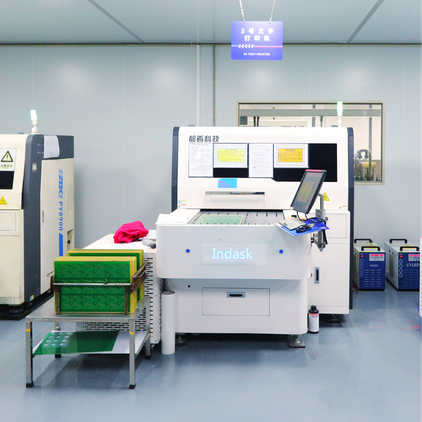
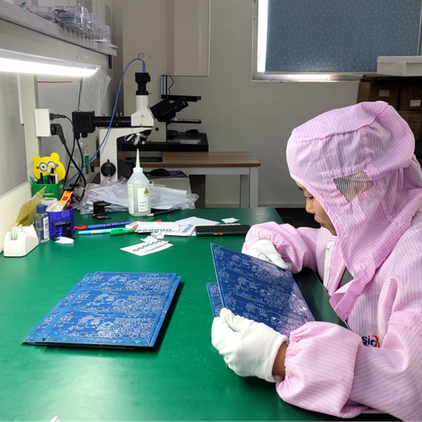
    We use AOI, flying probe testing, fixture-based electrical testing, X-ray inspection, impedance testing, and microsection analysis as required by the design and quality plan. Inspection records and test results are maintained to support consistent quality and manufacturing traceability
    Get Instant Quote
  • Free DFM Engineering Support
    Our engineers review your PCB design before production. We check traces, spacing, vias, stackup, and other key details to identify manufacturing issues early and reduce costly design changes.
    Get Instant Quote
Quality

MedPCB Medical PCB Process

Get Instant Quote
  • Engineering Review & Pre-Production Preparation
    1

    Engineering Review & Pre-Production Preparation

    We review customer Gerber files, fabrication drawings, and stackup specifications to confirm manufacturability and ensure compliance with medical standards. Engineering queries are clarified, panel layouts are optimized, and PCB manufacturing files are generated before production begins.

  • Inner Layer and Lamination
    2

    Inner Layer and Lamination

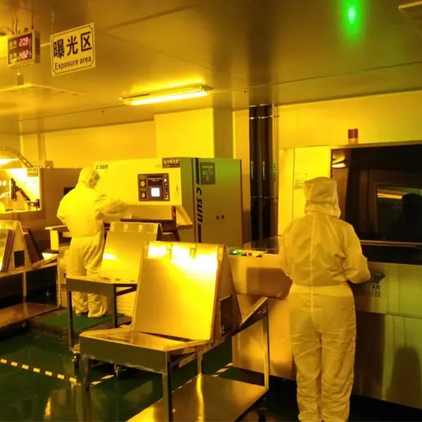
    The inner copper undergoes cleaning, pattern transfer, and chemical etching to create traces, followed by AOI scanning to catch defect issues. The prepared layers, cores, and prepreg are then stacked and laminated under controlled temperature and pressure to form a stable multilayer PCB.

  • Drilling, Copper Plating & Outer Layer Imaging
    3

    Drilling, Copper Plating & Outer Layer Imaging

    We drill the required through-holes and vias, followed by hole-wall preparation and copper plating. The outer layers are then imaged and etched to form the final circuit pattern. AOI verifies the outer-layer circuitry before subsequent surface treatment.

  • Solder Mask, Silkscreen and Surface Finish
    4

    Solder Mask, Silkscreen and Surface Finish

    We apply solder mask to protect the copper and prevent solder bridging. Silkscreen adds component markings, logos, and other identification details. The PCB then receives the specified surface finish, such as ENIG, immersion silver, immersion tin, OSP, or ENEPIG.

  • Solder Mask, Silkscreen and Surface Finish
    5

    Quality Testing

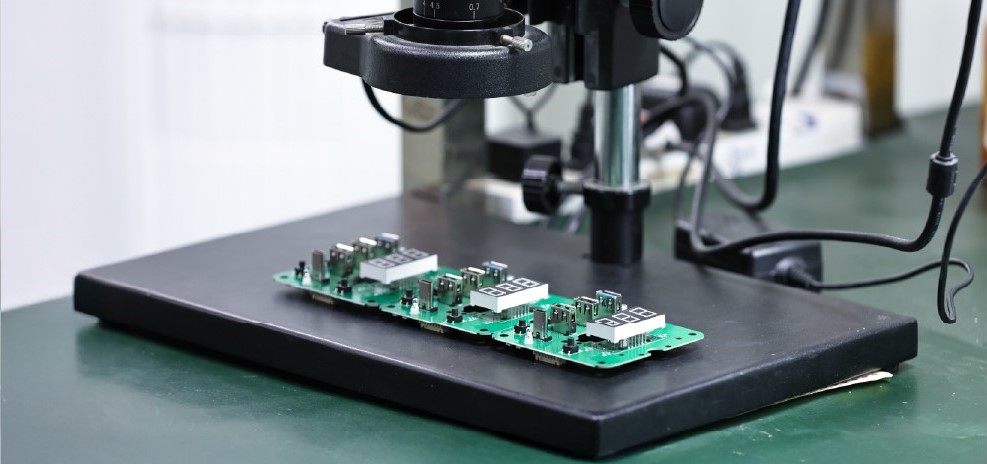
    We perform electrical testing (using custom test fixtures or flying probe), AOI, X-ray inspection, impedance testing, and dimensional inspection as required. These checks verify circuit continuity, solderable surfaces, internal connections, and critical PCB dimensions before shipment.

Capabilities
Quality

MedPCB’s Medical PCB Fabrication Capabilities

We deliver advanced medical PCB fabrication capabilities including multilayer, HDI, rigid-flex, controlled impedance, and high-reliability manufacturing solutions.

Certifications

We Are Certified

MedPCB maintains controlled quality systems for medical PCB manufacturing and assembly. Our manufacturing operations are certified to ISO 13485 and ISO 9001:2015, with applicable IPC Class 2 and Class 3 requirements supported according to customer specifications. We also support relevant UL, RoHS, and REACH requirements for applicable products and materials. Production records, inspection data, and material traceability are maintained according to your project requirements.

  • ISO 13485
  • IS0 14001
  • ISO 13484
  • UL
Faqs

Frequently Asked Questions

MedPCB provides high-precision medical PCB fabrication services designed to meet the strict requirements of healthcare electronics. With advanced manufacturing technologies, strict quality control systems, and extensive material expertise, we ensure reliable performance for diagnostic, monitoring, therapeutic, and portable medical devices from prototype to mass production.

1. Can You Provide Integrated Medical PCB Fabrication and Assembly?
Yes, we offer full turnkey solutions including PCB fabrication, component sourcing, SMT and thru-hole assembly, box build, and comprehensive quality testing to ensure complete end-to-end reliability.
2. Do You Have a Minimum Order Quantity (MOQ) for Medical PCBs?
We have no MOQ policy for your orders. We support everything from single-piece prototypes for R&D validation to full-scale volume production.
3. Do You Offer Quick-Turn Medical PCB Prototyping?
Yes, we provide expedited quick-turn fabrication and assembly services so you can validate, test, and refine your medical device designs quickly without compromising on quality or compliance.
4. How Can I Get a Quote for Medical PCB Fabrication?
Simply send your Gerber files, fabrication drawings, stackup details, and order quantities through sales@medicalpcb.com for a fast and comprehensive quote.
5. What IPC Classes Are Used For Medical Device PCBs?
Medical PCBs are commonly manufactured to IPC Class 2 or Class 3. Class 3 is used for applications that require higher reliability.
6. Why Is Manufacturability Important At The Prototype Stage?
A manufacturable prototype helps ensure a smooth transition to volume production. It also reduces redesigns, delays, and additional validation work.
7. What Types Of PCB Constructions Support Medical Devices?
Medical devices can use rigid, flexible, or rigid-flex PCBs. The choice depends on space, movement, mechanical stress, and electrical requirements.
8. What Technologies Help Reduce PCB Size In Medical Devices?
HDI, microvias, and via-in-pad increase routing density and help reduce PCB size without sacrificing circuit performance.
9. Why Are Fine Line Widths Challenging For Medical PCBs?
Fine traces require precise imaging, etching, and inspection. Tight process control is needed to maintain consistent dimensions and production yield.
10. Are Materials Other Than FR-4 Used In Medical PCBs?
Yes. Medical PCBs may use polyimide, PTFE, ceramic, metal core, and other specialty materials for specific thermal, electrical, or mechanical requirements.
11. What Makes A PCB Medical-Grade?
Medical PCBs require high reliability, precise manufacturing, traceability, and strict quality control. Depending on the application, IPC Class 2 or Class 3 acceptance criteria and ISO 13485-certified manufacturing may be specified.