Medical-Grade Aluminum PCB Manufacturing

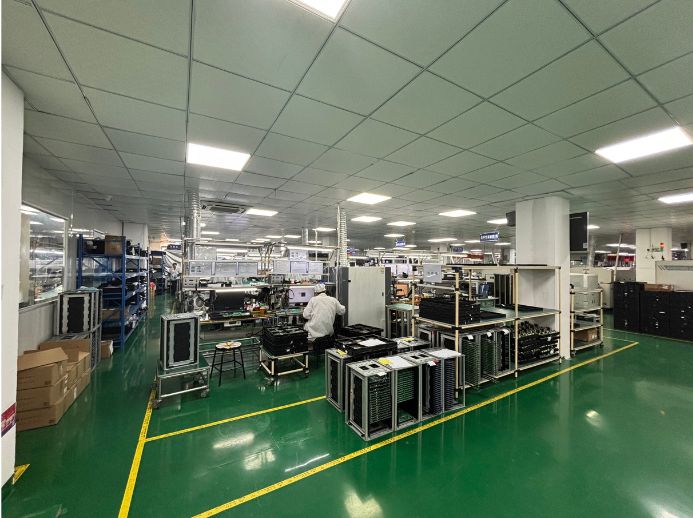
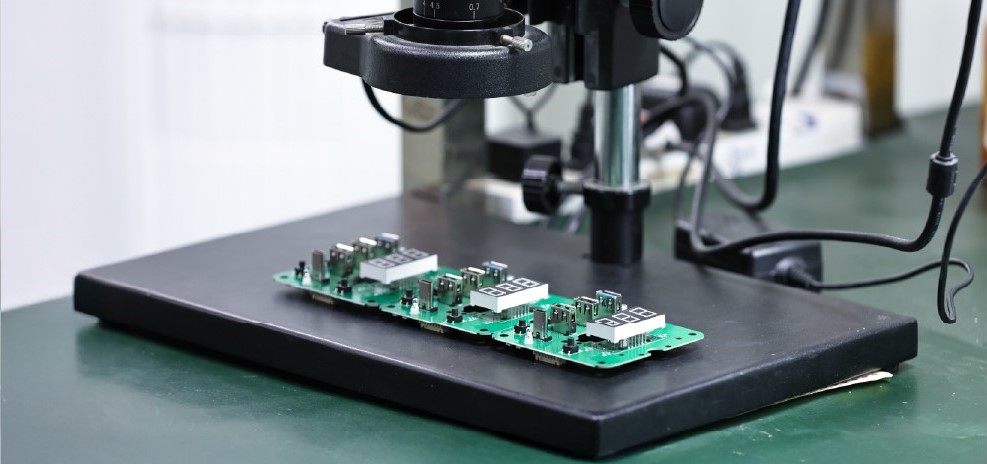
MedPCB provides ISO 13485-certified aluminum PCBs for high-power medical devices, surgical lighting, and critical imaging equipment. We help improve heat dissipation and long-term reliability from prototype to volume production.

• ISO 13485 Certified Medical Manufacturing
• Thermal Conductivity up to 5 W/m·K
• Aluminum & Copper Core PCB Fabrication
• Single-Sided, Double-Sided & Multilayer MCPCB

Medical Aluminum PCB Manufacturing
Certifications
Why Choose Aluminum PCBs for Medical Devices?
introduction

Why Choose Aluminum PCBs for Medical Devices?

Medical equipment is becoming more powerful and compact every year. High-performance devices like surgical lasers and imaging power supplies generate intense heat. Standard FR4 PCBs have relatively low thermal conductivity, making it difficult to transfer heat away from high-power components.

Specialized aluminum bare boards solve this problem by actively pulling heat away from sensitive components. This allows medical engineers to safely design smaller, high-power systems, reducing the dependence on large external heat sinks. We strictly focus on fabricating these bare boards to maintain stable operating temperatures and ensure complete reliability during long, demanding operations.

Quality

Key Advantages of Aluminum for Medical Devices

  • Excellent Heat Dissipation for High-Power Medical Equipment
  • Ideal for Space-Constrained Thermal Designs
  • Mechanical Stability for Medical Equipment
  • Reliable Electrical Isolation for Patient Safety
Excellent Heat Dissipation for High-Power Medical Equipment
Advanced medical tools like surgical lasers and MRI components generate immense thermal loads. Aluminum cores rapidly transfer this heat away from the active circuitry, preventing thermal degradation and ensuring the equipment remains safe and stable.
Ideal for Space-Constrained Thermal Designs
Mechanical Stability for Medical Equipment
Reliable Electrical Isolation for Patient Safety
Why Choose Us

Why Choose MedPCB?

  • ISO 13485 Certified Manufacturing

    ISO 13485 Certified Medical Manufacturing

    Our entire facility operates under a rigorous ISO 13485 quality management system. We maintain full documentation for all aluminum PCBs and perform testing to comply with global medical device standards.

  • IPC-A-610 Class 3 Quality Acceptance

    Multiple Aluminum Material Options

    MedPCB offers a wide range of aluminum substrate options. Including 5052 and 6061 aluminum alloys, copper core materials, and thermally conductive dielectric systems up to 5 W/m·K.

  • Advanced Wave & Selective Soldering Technology

    Specialized Metal Core PCB Fabrication

    Manufacturing aluminum boards requires fundamentally different processing than standard FR4. We utilize dedicated production lines equipped with specialized routers, V-scoring blades, and lamination presses designed specifically to handle heavy metal cores without inducing stress.

  • Medical-Grade Component Sourcing & BOM Support

    Expert DFM Support

    Before production begins, our engineering team reviews your Gerber files, thermal stackup, copper distribution, dielectric selection, and mechanical structure to identify potential manufacturing issues. Based on this evaluation, we optimize the thermal performance of the design.

Specs

Technical Specifications

Order Quantity ≥1 PCS
Quality Grade IPC-6012 Class 2 (Class 3 available)
Thermal Conductivity Up to 5 W/m·K
Board Size 5 × 5 mm ~ 1500 × 600 mm
Layer Count 1–4+ layers (single-sided, double-sided, multilayer MCPCB)
Base Material Aluminum (5052/6061), Copper Core, Iron
Board Thickness 0.3–5.0 mm
Copper Thickness 35 µm–240 µm (1 OZ–7 OZ)
Min Trace Width/Spacing 0.1 mm (4/4 mil)
Surface Finish HASL Lead-Free, ENIG, Chemical Tin, Chemical Silver, OSP
Outline Tolerance ±0.15 mm
V-Cutting Score tolerance ±0.1 mm; min board thickness 0.50 mm
Warp & Twist ≤0.5% (1.6 mm thickness, 300 × 300 mm)
Hole Position Tolerance ±0.076 mm
Quality Inspection AOI, Electrical Test, Hi-Pot, Microsection
Compliance ISO13485, RoHS, REACH, ISO 9001, IPC-6012
Medical Aluminum PCB
Capabillities

Our Medical Aluminum PCB Production Process

Step 1: Engineering Review & DFM
Our engineering team reviews your manufacturing files to verify thermal performance, manufacturability, and production readiness before fabrication begins.
  • DFM: We proactively evaluate your trace layouts to eliminate manufacturing bottlenecks.
  • Thermal Analysis: We recommend suitable aluminum alloy, dielectric thermal conductivity, dielectric thickness, and copper weight based on your thermal and electrical requirements.
  • Material Selection: We verify your requested materials and can suggest alternatives to improve thermal performance.
Step 2: Aluminum Core Preparation
Step 3: Circuit Formation
Step 4: Surface Finish & Profiling
Step 5: Inspection & Electrical Testing
Quality Control

Challenges in Medical Aluminum PCB Fabrication

  • Through-Hole Solder Fill Reliability

    Managing Thermal Stress During Lamination

    Aluminum and copper expand at different rates when heated, which can cause severe board warping during lamination.

    Our Solution: We utilize highly specialized lamination presses with predictive cooling cycles. This tightly controls the thermal expansion, ensuring your bare boards remain perfectly flat.

  • Preventing Thermal Damage to Sensitive Components

    Precise Routing and Cutting of Heavy Metal Cores

    Standard routing bits wear out instantly on aluminum, causing rough edges that can short out the dielectric layer.

    Our Solution: We deploy specialized diamond coated routing tools and strictly monitor blade lifespans, guaranteeing smooth, clean cuts that preserve the integrity of the electrical isolation.

  • Thermal Expansion and Warpage Control

    Maintaining High Dielectric Breakdown Voltage

    Medical equipment requires strict electrical isolation to protect patients. Any void in the dielectric layer compromises this safety.

    Our Solution: We apply premium dielectrics in a pristine cleanroom environment. Every board then passes a rigorous Hi Pot test to guarantee absolute electrical safety before it leaves our facility.

  • BGA Rework and Repair Challenges

    Maintaining Consistent Thermal Conductivity

    Variations in dielectric thickness can create hot spots where heat fails to transfer to the aluminum core.

    Our Solution: Our controlled lamination process ensures the dielectric layer is perfectly uniform across the entire panel, guaranteeing consistent and rapid heat dissipation for all components

Our Medical Prototype Assembly Process
Types

Aluminum PCB Types Supported by MedPCB

Single-sided Aluminum PCB

The most widely used aluminum PCB option, ideal for cost-sensitive thermal management applications. MedPCB manufactures single-sided aluminum PCBs for LED lighting, medical power modules, and other heat-generating medical electronics.

Double-Sided Aluminum PCB

MedPCB manufactures double-sided aluminum PCBs for applications requiring higher routing density while maintaining efficient heat dissipation. They are commonly used in medical control systems, power electronics, and compact healthcare equipment.

Multilayer Aluminum PCB

MedPCB manufactures multilayer aluminum PCBs for high-density medical applications that require complex routing together with efficient thermal management. They are suitable for imaging equipment, high-power medical systems, and industrial healthcare electronics.

Hybrid Aluminum PCB

MedPCB supports hybrid aluminum PCBs that combine FR-4 and aluminum substrates within a single design. This structure separates signal routing from heat-generating areas, making it suitable for your complex medical electronics with mixed thermal requirements.

Send your Gerber files to us today. Our team will complete the DFM review and provide a quotation.

Case Study

Medical Aluminum PCB Cases

  • Surgical Lighting Aluminum PCB Thermal Optimization
    Surgical Lighting Aluminum PCB Thermal Optimization Surgical Lighting Aluminum PCB Thermal Optimization

    Surgical Lighting Aluminum PCB Thermal Optimization

    A medical lighting client was struggling with bulky heat sinks making their surgical lamps difficult to position. We fabricated a high-conductivity single-sided aluminum bare board that dissipated heat so efficiently, the client was able to completely redesign their lamp enclosure to be 30 percent lighter and much easier for doctors to maneuver.

  • High-Power Laser Hair Removal MCPCB
    High-Power Laser Hair Removal MCPCB High-Power Laser Hair Removal MCPCB

    High-Power Laser Hair Removal MCPCB

    A dermatology equipment manufacturer needed a board capable of surviving intense thermal shock. MedPCB engineered a custom fabrication process using a specialized 5.0 W/m·K dielectric on a thick aluminum core. The resulting bare boards handled the thermal spikes flawlessly, eliminating the component failures the client previously experienced.

  • Heat Dissipation for MRI Power Supply Modules
    Heat Dissipation for MRI Power Supply Modules Heat Dissipation for MRI Power Supply Modules

    Heat Dissipation for MRI Power Supply Modules

    We partnered with an imaging company to fabricate a complex multilayer aluminum board for their new MRI power supply. By carefully controlling the dielectric thickness during lamination, we ensured the board could handle high-current routing while safely transferring massive amounts of heat to the aluminum base.

  • CT Scanner Motor Controller Aluminum Board
    CT Scanner Motor Controller Aluminum Board CT Scanner Motor Controller Aluminum Board

    CT Scanner Motor Controller Aluminum Board

    A client needed a board that could handle both high thermal loads and extreme vibration inside a spinning CT gantry. We delivered a heavy-duty aluminum bare board with a specialized ENIG surface finish. The structural rigidity of the aluminum completely protected the circuitry from mechanical stress during operation.

Faqs

Frequently Asked Questions

Our Medical Aluminum PCB FAQ addresses essential questions regarding your manufacturing requirements. We cover our capabilities for single-sided, double-sided, and multilayer metal core circuits, high thermal conductivity material selection, mechanical stability and heat dissipation, strict ISO 13485 quality standards, and seamless scalability from quick-turn prototypes to mass production. For every medical aluminum PCB project, we guarantee high-precision fabrication tailored for critical thermal and electrical healthcare applications.

1. What Dielectric Thermal Conductivity Can MedPCB Provide?
MedPCB provides high-reliability MCPCB dielectric layers with thermal conductivities from 1 W/m·K up to 5 W/m·K. Medical LED lighting and patient monitoring circuits perform reliably with 1 to 2 W/m·K, while high-power therapeutic systems, surgical lighting, and medical imaging applications utilize our 3 to 5 W/m·K options for superior heat dissipation away from critical components.
2. What Is the Difference Between FR4 and Aluminum PCB for Medical Devices?
FR4 is a standard fiberglass material used for general electronics, but it is a poor conductor of heat. Aluminum PCBs feature a solid metal base that actively pulls heat away from hot components. For medical devices that generate significant heat, aluminum is essential for preventing failure.
3. Can You Manufacture Multi-Layer Aluminum PCBs?
Yes. While single-sided boards are the most common, we routinely fabricate multi-layer aluminum bare boards for complex medical devices that require dense circuit routing alongside excellent thermal management.
4. Can MedPCB Provide Aluminum PCB Assembly Services?
Yes. MedPCB offers full aluminum PCB assembly alongside our bare board fabrication. We handle SMT, through-hole, and mixed-technology assembly in-house.
5. What Thermal Conductivity Do Medical Aluminum PCBs Require?
It depends entirely on your specific application. Standard medical power supplies usually require 1.0 to 2.0 W/mK. High-power surgical lighting and medical lasers often require advanced dielectrics ranging from 3.0 to 8.0 W/mK to safely manage the heat.
6. Can Aluminum PCBs Withstand Shock and Vibration in Medical Equipment?
Absolutely. The solid metal core provides incredible mechanical strength. This makes aluminum boards highly resistant to physical impact and the constant vibration found in motorized medical tools like bone saws and centrifuges.
7. How Do You Route Aluminum Boards Without Damaging the Edges?
We utilize specialized heavy-duty routers and diamond-coated cutting tools designed specifically for metal cores. This ensures a clean, smooth cut that will not smear the aluminum into the copper circuitry or compromise the vital dielectric layer.
8. What Surface Finishes Are Best for Aluminum PCBs?
HASL Lead-Free is a great cost-effective option, but for medical devices requiring tight tolerances and perfectly flat component mounting, we highly recommend ENIG or Immersion Silver. These premium finishes provide excellent solderability and long-term reliability.
9. How Does Aluminum PCB Compare to Adding a Heat Sink?
An external heat sink must be mechanically attached to a standard FR4 board, which adds weight, takes up space, and introduces thermal resistance at the junction. An aluminum PCB integrates the heat sink directly into the board itself, resulting in a lighter, smaller, and vastly more efficient thermal solution.
10. Are Your Aluminum PCBs Compliant with Medical RoHS Standards?
Yes. All of our aluminum bare boards can be manufactured using strictly RoHS and REACH-compliant materials, ensuring your medical devices easily meet rigorous global environmental regulations.
11. How Do You Test the Dielectric Layer in Metal Core PCBs?
Patient safety is critical, so we take this very seriously. Every medical aluminum board undergoes rigorous Hi-Pot testing. We apply a high voltage across the board to ensure the dielectric layer completely isolates the copper circuitry from the aluminum base.
12. Can You Support Low-Volume Prototyping for Medical Devices?
Yes. We know that developing groundbreaking medical equipment requires physical testing and multiple design iterations. Our agile manufacturing lines are equipped to handle low-volume prototype runs, allowing you to validate your thermal designs quickly before mass production.

Product Related