High-Reliability Rigid PCB Manufacturing for Medical Applications

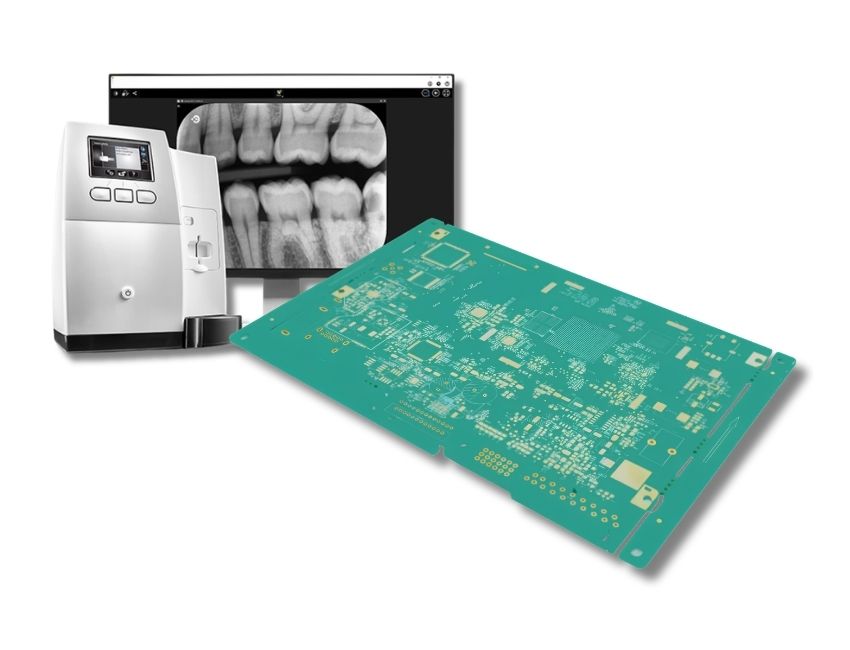
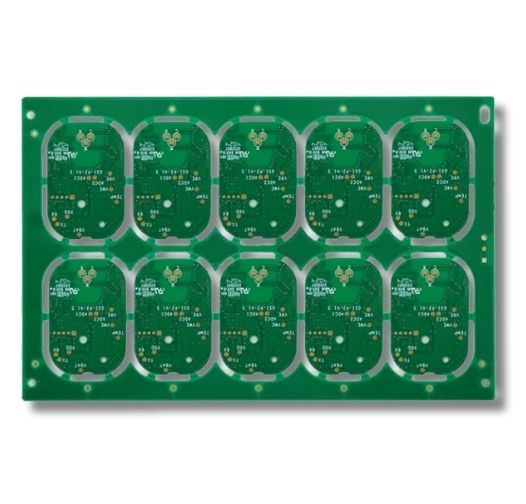
MedPCB manufactures high-reliability rigid bare PCBs for medical imaging, patient monitoring, diagnostic, laboratory, and surgical equipment. We support multilayer, HDI, controlled-impedance, and specialty-material designs under an ISO 13485 quality management system.

• ISO 13485 Certified Medical PCB Manufacturing
• Extensive Inventory of FR4, High-Tg FR4, Rogers, Aluminum & Ceramic Laminates
• Up to 40-Layer Multilayer & HDI Rigid PCB Capability
• IPC-A-600 & IPC-6012 Class 2/3 Manufacturing
• Controlled Impedance, HDI & Blind/Buried Via Capability

High-Reliability Rigid PCB Manufacturing for Medical Applications
Certifications
Why Choose Rigid PCBs for Medical Electronic Devices?
introduction

Why Choose Rigid PCBs for Medical Electronic Devices?

Rigid PCBs provide a stable platform for components, power distribution, and high-density signal routing in medical electronics. They are widely used in patient monitoring systems, diagnostic equipment, laboratory instruments, imaging systems, and other devices that require consistent mechanical and electrical performance.

Compared with flexible circuits, rigid PCBs provide greater structural stability and support complex multilayer stackups, controlled impedance structures, fine-pitch components, and high-density interconnects. Material selection also varies by application, from standard FR-4 and high-Tg FR-4 to high-frequency Rogers, metal-core, and ceramic substrates.

MedPCB provides rigid PCB manufacturing services covering a wide range of board materials, structures, and fabrication technologies.

Quality

Key Advantages of Medical-Grade Rigid PCBs

  • Long-Term Reliability for Medical Devices
  • Stable Mechanical Structure
  • Superior Thermal Stability
  • Stable Electrical Performance
  • High-Density Multilayer Integration
Long-Term Reliability for Medical Devices
Medical equipment often endures years of continuous use. Rigid boards provide a durable foundation that resists physical stress and environmental wear, ensuring your devices function reliably over their entire expected lifespan without structural degradation.
Stable Mechanical Structure
Superior Thermal Stability
Stable Electrical Performance
High-Density Multilayer Integration
Why Choose Us

Why Choose MedPCB for Medical Rigid PCBs?

  • ISO 13485 Certified Manufacturing

    ISO 13485 Certified Rigid PCB Production

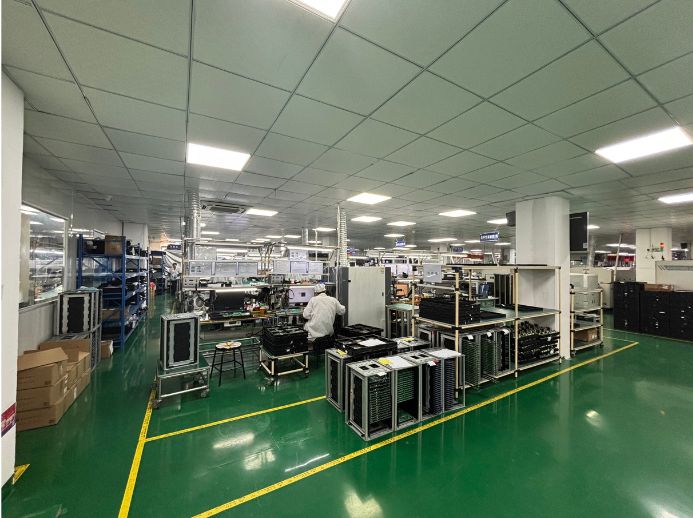
    Our manufacturing facility operates strictly under ISO 13485 standards, a certified quality management system designed specifically for the medical sector. Every bare board we produce undergoes rigorous testing and meticulous documentation to satisfy global healthcare regulatory standards.

  • IPC-A-610 Class 3 Quality Acceptance

    Free DFM Review

    Our engineering team thoroughly reviews your Gerber files and manufacturing requirements before fabrication. We identify potential manufacturing issues early and help reduce design-related production risks before your medical PCB enters production.

  • Medical-Grade Component Sourcing & BOM Support

    Extensive Medical PCB Material Inventory

    We maintain an in-house material inventory and strong supplier relationships to support a wide range of PCB materials. This helps us respond flexibly to your material requirements and project specifications.

  • Advanced Wave & Selective Soldering Technology

    Advanced Multilayer and HDI Capability

    Creating dense medical circuits requires specialized equipment. Our facility features advanced laser direct imaging and precision drilling machines to expertly handle complex high-density interconnects and high-layer-count builds.

  • Full In-House Quality Assurance and Reliability Testing

    Full In-House Quality Assurance and Reliability Testing

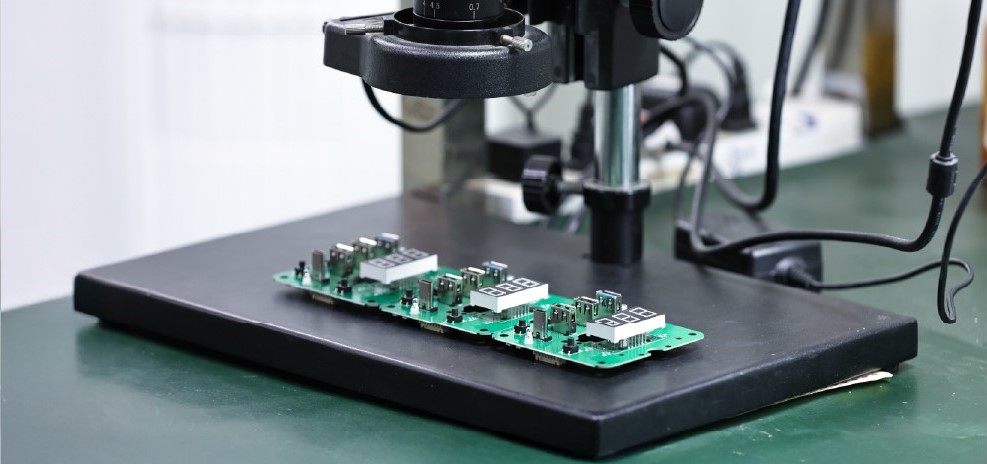
    Our quality system includes AOI, electrical testing, X-ray inspection where required, microsection analysis, and dimensional inspection. Inspection criteria are defined according to the applicable IPC class and your project specifications.

Specs

Technical Specifications

Order Quantity ≥ 1 PCS (1 PCS to Mass Production)
Quality Grade IPC-6012 Class 2 and Class 3
Material Brands KB, Shengyi, Rogers, Taconic, Arlon, Nelco, Isola (IS410, FR406/408), GETEK, PTFE
Board Size 50 by 50 mm to 1100 by 500 mm
Layer Count 1 to 40 layers
Board Thickness 0.2 mm to 10.0 mm
Copper Thickness 1/3 OZ to 10 OZ
Min Trace Width and Spacing 3/3 mil (0.075 mm)
Surface Finish HASL (Leaded/Lead-Free), ENIG, Flash/Hard/Soft Gold, OSP, ENEPIG, Immersion Silver, Immersion Tin
Impedance Tolerance ± 5 ohms (< 50 ohms) or ± 10% (≥ 50 ohms)
Quality Inspection Visual Inspection, AOI Checking, X-Ray (for BGA)
Medical Rigid PCB
How to choose

Our Medical Rigid PCB Production Process

Step 1: Engineering Review & DFM
Our team carefully reviews your layout files to confirm manufacturability. We check trace geometries, via structures, and layer stackups to support bare board fabrication while respecting your original layout.
Step 2: Inner Layer Imaging & Lamination
Step 3: Drilling, Copper Plating & Outer Layer Fabrication
Step 4: Surface Finish & Electrical Testing
Step 5: Final Inspection & Traceability
Quality Control

Rigid PCB Materials Supported by MedPCB

  • Standard & High-Tg FR4

    Standard & High-Tg FR4

    • Standard FR-4: The industry baseline for cost-effective, reliable medical boards operating in typical room temperature environments.

    • High-Tg FR-4: Engineered to withstand elevated temperatures, featuring industry-standard grades such as Isola 370HR, IS410, Shengyi S1000-2, and Nelco N4000-13 to prevent warping during intensive sterilization cycles.

  • High-Frequency Laminates

    High-Frequency Laminates

    • Rogers: Utilizing industry-standard series such as RO4350B, RO4003C, and RO3003, delivering ultra-low signal loss and stable dielectric properties for critical medical imaging and RF telemetry.

    • PTFE: Incorporating advanced substrates like RT/duroid 5880 and 5870, offering exceptional electrical stability for advanced radar and sensitive diagnostic sensors.

    • Taconic: Providing robust mechanical and thermal performance for complex microwave medical applications using reliable series like TLX and RF-35.

  • Metal Core PCB

    Metal Core PCB

    • Aluminum Core: Rapidly dissipates heat away from high-power components like surgical lighting arrays.

    • Copper Core: Offers superior thermal conductivity for the most demanding high-power medical electronics.

  • Ceramic PCB

    Ceramic PCB

    • Alumina: Combines excellent electrical insulation with strong thermal conductivity for demanding medical sensors.

    • Aluminum Nitride: Combines high thermal conductivity with electrical insulation and is suitable for applications requiring efficient heat dissipation and electrical isolation.

Our Medical Prototype Assembly Process
Challenges

Common Challenges in Medical Rigid PCB Fabrication

Maintaining Registration Accuracy in High-Layer-Count Boards

Aligning dozens of layers perfectly is incredibly difficult, and microscopic shifts can ruin complex high-density circuits.

Our Solution: We employ state-of-the-art optical alignment systems and specialized bonding techniques, preventing any microscopic shifting during lamination.

High-Aspect-Ratio Via Reliability

Plating deep, narrow vias in thick medical boards often leads to uneven copper distribution and weak connections.

Our Solution: Our advanced plasma desmear lines and specialized chemical plating baths ensure uniform copper deposition from top to bottom, establishing reliable, unbroken connections across every layer.

Controlled Impedance Across Large Panel Areas

Slight variations in etching or substrate thickness can cause impedance mismatches that degrade the accuracy of critical healthcare diagnostics.

Our Solution: We closely monitor trace widths with automated optical inspection and verify performance using dedicated Time Domain Reflectometry testing coupons on every panel.

Contact MedPCB today to discuss your rigid PCB project needs and request a comprehensive quote.

Case Study

Medical LED PCB Cases

  • 16-Layer Rigid PCB for Cart-Based Ultrasound System Main Board
    16-Layer Rigid PCB for Cart-Based Ultrasound System Main Board 16-Layer Rigid PCB for Cart-Based Ultrasound System Main Board

    16-Layer Rigid PCB for Cart-Based Ultrasound System Main Board

    A medical client required a highly complex main board to process vast amounts of imaging data. We fabricated a precise 16-layer rigid PCB with strict impedance tolerances, allowing their ultrasound cart to render crystal-clear, high-resolution tissue scans.

  • 6-Layer High-Tg Rigid PCB for Volumetric Infusion Pump
    6-Layer High-Tg Rigid PCB for Volumetric Infusion Pump 6-Layer High-Tg Rigid PCB for Volumetric Infusion Pump

    6-Layer High-Tg Rigid PCB for Volumetric Infusion Pump

    A manufacturer needed a durable board for a pump facing constant use and rigorous cleaning. We utilized high-Tg FR4 materials to deliver a robust bare board that easily withstood thermal stress, ensuring consistent medication delivery.

  • 32-Layer HDI Rigid Backplane for CT Detector Array Interface
    32-Layer HDI Rigid Backplane for CT Detector Array Interface 32-Layer HDI Rigid Backplane for CT Detector Array Interface

    12-Layer HDI Rigid Backplane for CT Detector Array Interface

    Advanced CT scanners require massive data handling capabilities. We manufactured a dense 12-layer high-density interconnect backplane that flawlessly managed millions of signal paths, improving the scanner's overall diagnostic speed.

  • 4-Layer Rigid PCB for Dental Imaging System
    4-Layer Rigid PCB for Dental Imaging System 4-Layer Rigid PCB for Dental Imaging System

    4-Layer Rigid PCB for Dental Imaging System

    A dental equipment company struggled with signal noise in their digital sensors. We produced a precision 4-layer rigid board using optimized trace routing, which eliminated electrical interference and dramatically improved image sharpness.

Faqs

Frequently Asked Questions

Our Medical Rigid PCB FAQ addresses essential questions regarding your manufacturing requirements. We cover our capabilities for multilayer rigid circuits, material selection, mechanical stability and heat dissipation, strict ISO 13485 quality standards, and seamless scalability from quick-turn prototypes to mass production. For every medical rigid PCB project, we guarantee high-precision fabrication tailored for critical healthcare applications.

1. What Is the Difference Between Standard FR4 and Medical-Grade Rigid PCBs?
Medical grade boards are manufactured under strict ISO 13485 quality controls. They undergo far more rigorous testing and traceability protocols than standard consumer boards to ensure absolute reliability in life critical applications.
2. What Rigid PCB Materials Are Best for Medical Devices Requiring Autoclave Sterilization?
We highly recommend High Tg FR4 or specialized ceramic laminates. These materials possess superior thermal stability and can endure the intense heat and pressure of repeated autoclave cycles without degrading or delaminating.
3. How Many Layers Can a Rigid Medical PCB Have?
Our advanced fabrication facility can produce complex rigid boards with up to 40 layers, reliably supporting the dense routing and power planes required by modern healthcare electronics.
4. What Is the Minimum Trace Width and Spacing for Rigid Medical PCBs?
Depending on the copper weight, we can achieve trace widths and spacing down to 3/3 mil or 0.075 millimeters. This allows for extremely compact layouts in advanced medical devices.
5. What Surface Finish Is Recommended for Rigid Medical PCBs?
ENIG and ENEPIG stand out as the top recommendations. They provide excellent oxidation resistance, offer a perfectly flat surface for fine pitch components, and maintain a long shelf life.
6. How Do You Ensure Plated Through-Hole (PTH) Reliability in Thick Rigid Medical PCBs?
We use advanced plasma cleaning and highly controlled copper plating baths. This results in a perfectly balanced, uniform layer of copper is deposited throughout the entire length of the hole barrel.
7. Are Your Medical Rigid PCBs RoHS and REACH Compliant?
Absolutely. We offer fully compliant lead free manufacturing options and rigorously source materials that adhere to strict global environmental and safety directives.
8. Do You Offer Conformal Coating for Medical Rigid PCBs?
As a bare board manufacturer, our primary focus is strictly on PCB fabrication. We provide the high quality raw circuit boards that are ready for your assembly team and subsequent coating processes.
9. How Do You Manage Traceability in Medical Rigid PCB Production?
We implement comprehensive lot tracking for all raw materials. We also record every manufacturing parameter and inspection result, ensuring you have the complete documentation required for medical audits.
10. What IPC Standards Govern Medical Rigid PCB Manufacturing?
We manufacture medical boards strictly to IPC 6012 Class 2 and Class 3 standards, which dictate the highest levels of structural integrity and reliability for critical electronics.
11. Can You Provide Panel-Level Impedance Test Coupons on Rigid Medical PCBs?
Yes. We place dedicated test coupons on the manufacturing panels and test them using Time Domain Reflectometry to guarantee your impedance requirements are perfectly met.
12. What Board Thicknesses Are Available for Rigid Medical PCBs?
We offer a wide manufacturing range, from ultra thin 0.2 millimeter profiles up to robust 10.0 millimeter thick boards for heavy duty power applications.
13. Do You Support Blind and Buried Via Technology on Rigid Medical PCBs?
Yes. We specialize in high density interconnect designs and routinely drill blind and buried vias to help you maximize routing space on complex multilayer medical boards.

Product Related