1. What Is The Cost Of Low-Volume Medical PCB Assembly?
Overall project expenses remain low. While unit costs are slightly higher due to setup fees being distributed over smaller quantities, it remains a cost-effective choice for short runs.
2. How Long Does Delivery Take For Medical Low-Volume PCB Assembly?
Lead times range from 1 to 3 weeks.. Expedited builds can finish in 48 hours if all components are in stock.
3. Can You Combine Prototype And Low-Volume PCB Assembly?
Yes. Running prototypes and low-volume medical runs on the same production lines ensures consistent quality from early validation through small-batch manufacturing.
4. SMT vs. Through-Hole: What Are The Trade-Offs?
SMT is faster and more cost-effective for high-density designs. Through-hole assembly requires extra manual labor, which increases costs, but it provides stronger mechanical support for heavy connectors.
5. How to Optimize BOM For Low-Volume Medical PCB Assembly?
Consolidate passive component values to reduce machine feeder changes, choose in-stock parts from major distributors, and list approved drop-in alternatives.
Consolidate passive component values to reduce machine feeder changes, choose in-stock parts from major distributors, and list approved drop-in alternatives.
6. What Is the Minimum Order Quantity (MOQ)?
There is no MOQ. You can order as few as 1 board for testing, though ordering 25 to 100 units significantly lowers the per-unit cost.
7. Is Low-Volume PCB Assembly More Expensive Per Unit Than High-Volume?
Yes. High-volume production benefits from bulk component discounts and spreads fixed engineering setup fees across thousands of boards, lowering the price per unit.
8. What Files Are Required For Medical Low-Volume PCB Assembly?
You will need to provide Gerber or ODB++ files, an Excel BOM featuring manufacturer part numbers, Pick-and-Place (Centroid) coordinates, and clear assembly drawings with polarity markings.
9. Is Low-Volume Assembly Okay For Final Production?
Yes. Medical low-volume PCB assembly is standard for specialized, high-value medical equipment, enabling fast market entry without inventory risk.
10. When Should You Switch to Mass Production?
Move to high-volume production only after your board layout and firmware are fully locked, regulatory clearances are secured, and demand justifies higher tooling costs.
11. Testing Methods for Low-Volume Medical PCB Assembly?
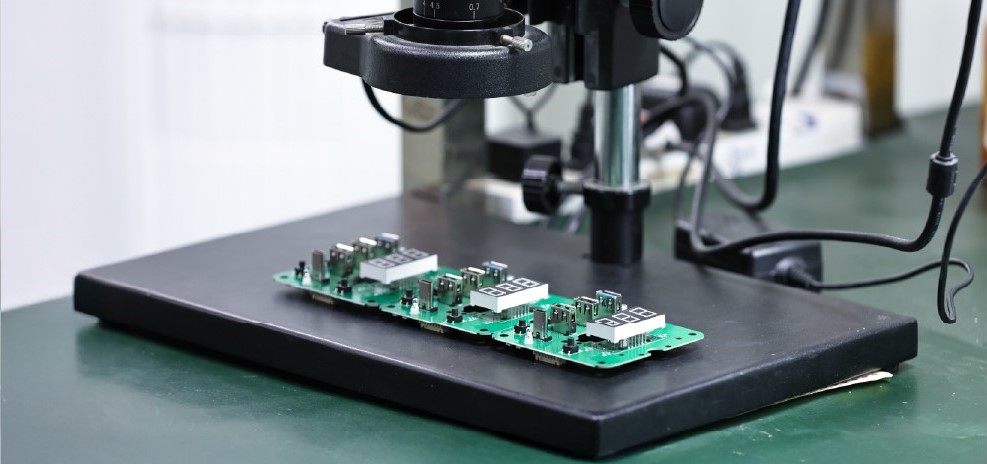
Use Automated Optical Inspection (AOI) for placement, X-ray inspection for hidden BGA joints, and Functional Testing (FCT) to confirm operational performance.
12. Can Medical Low-Volume PCB Assembly Support Multiple Board Variants?
Yes. Small-batch runs easily accommodate panel-level BOM variations and regional hardware configurations within a single production run.