1. What Is TU768 PCB Material Used For?
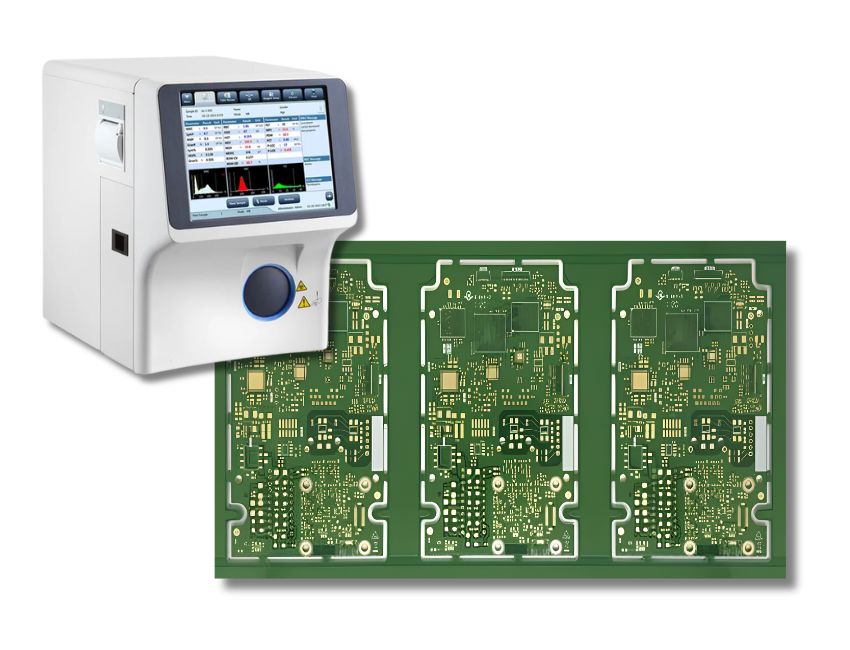
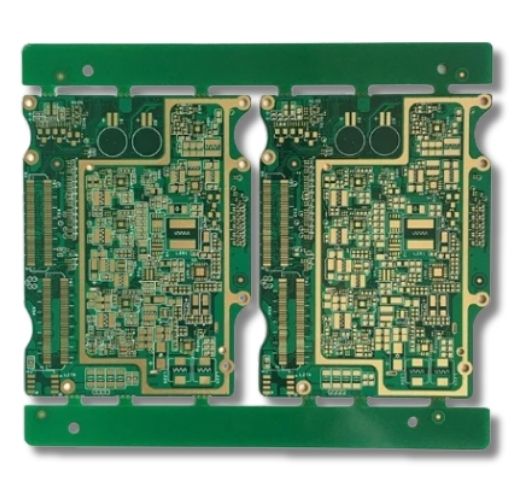
TU768 is a woven E-glass reinforced epoxy laminate used primarily for high-reliability printed circuit boards in the medical, server, and automotive sectors. It excels in environments that require continuous operation and survival through aggressive thermal cycling.
2. What Is the Tg and Td of TU768 Laminate?
This material features a glass transition temperature of 180°C via DSC and a decomposition temperature of 350°C via TGA. These thermal properties confirm its status as a robust substrate for high-temperature operating environments.
3. Is TU768 Halogen-Free and RoHS Compliant?
TU768 is a RoHS compliant laminate that withstands lead-free reflow profiles effortlessly. It carries an ANSI Grade FR-4.0 UL designation and is not halogen-free. Halogen-free requirements necessitate an entirely different material formulation.
4. Is TU768 Suitable for ISO 13485 Medical Device Manufacturing?
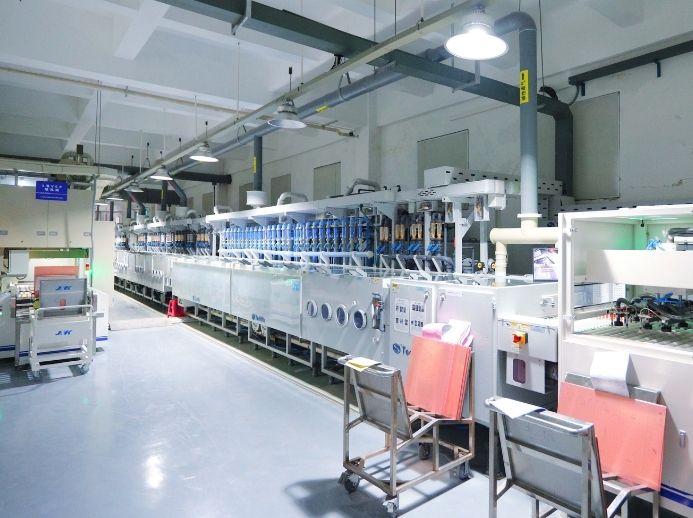
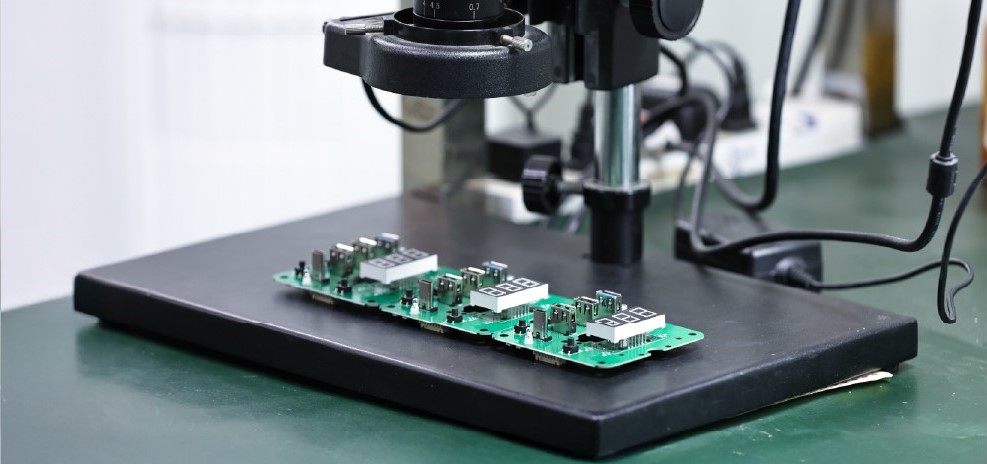
Yes, TU768 is highly suitable for medical device manufacturing. MedPCB processes this material entirely within our ISO 13485 certified quality management system to support stringent medical regulatory compliance and traceability.
5. What Is the Difference Between TU768 And Standard FR-4?
TU768 provides a glass transition temperature of 180°C and superior anti-CAF properties, whereas standard FR-4 typically offers a glass transition temperature of 135°C. This chemical makeup makes TU768 dramatically more resilient against thermal stress and internal ionic migration compared to standard alternatives.
6. Can TU768 PCBs Be Built to IPC Class 3 Requirements?
Yes, MedPCB regularly manufactures TU768 boards to strict IPC Class 3 standards. This manufacturing level mandates tighter annular ring tolerances and increased copper plating thicknesses within the via barrels to ensure absolute reliability.
7. What Is the Dielectric Constant of TU768 At 1 GHz?
The TU768 dielectric constant measures 4.3 at 1 GHz with a 50 percent resin content. This stable permittivity supports precise impedance calculations and maintains signal integrity for high-speed digital medical designs.
8. Does TU768 Pass CAF Resistance Testing for Medical Applications?
Yes, TU768 passes rigorous Conductive Anodic Filament resistance testing. The epoxy resin system is specifically engineered to prevent internal copper migration under continuous voltage bias and high humidity conditions.
9. What Traceability Documentation Is Provided with TU768 Medical PCB Orders?
MedPCB provides complete certificates of conformance, material lot tracking numbers, and final inspection reports with every shipment. We retain these critical production records permanently to support your medical regulatory audits and ISO 13485 traceability requirements.